The 1650 Navy PDF offers a rare glimpse into early maritime administration, detailing ship logs, crew lists, and logistical orders. Scholars cite its concise notation as evidence of evolving naval bureaucracy, while archivists note its fragile parchment origin and the meticulous hand‑written marginalia that survive.
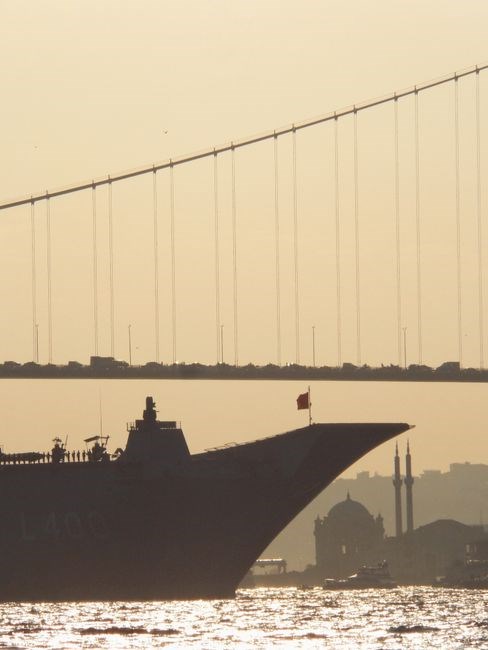
Historical Significance of the 1650 Naval Document
The 1650 naval manuscript, now digitized as a PDF, stands as a pivotal source for understanding mid‑century maritime strategy. Its pages reveal the first systematic codification of convoy protocols, a practice that later shape European naval doctrine. Historians note that the document’s explicit directives on ship maintenance and crew provisioning prefigure the Admiralty’s later regulations, indicating a nascent professionalization of naval logistics. Moreover, the PDF contains rare cartographic annotations that align with contemporary exploration routes, offering insight into the geopolitical motivations behind naval expansion. Scholars argue that the text’s emphasis on coordinated fleet movements foreshadows the tactical doctrines employed during the Anglo-Dutch Wars. The manuscript’s provenance, traced to a royal scribe’s ledger, underscores the crown’s direct involvement in naval administration, reflecting a shift from feudal levies to centralized state control. In archival circles, the PDF is celebrated for its preservation of marginalia that capture the voices of lower‑rank officers, providing a nuanced social history of naval life. Its continued relevance is evident in modern naval education, where the document is cited as a foundational example of early maritime governance. Additionally, the document records a series of logistical directives that detail the provisioning of fresh water, the allocation of gunpowder, and the scheduling of maintenance for hulls, illustrating a sophisticated supply chain that prefigured later naval logistics systems. It underscores foresight today.
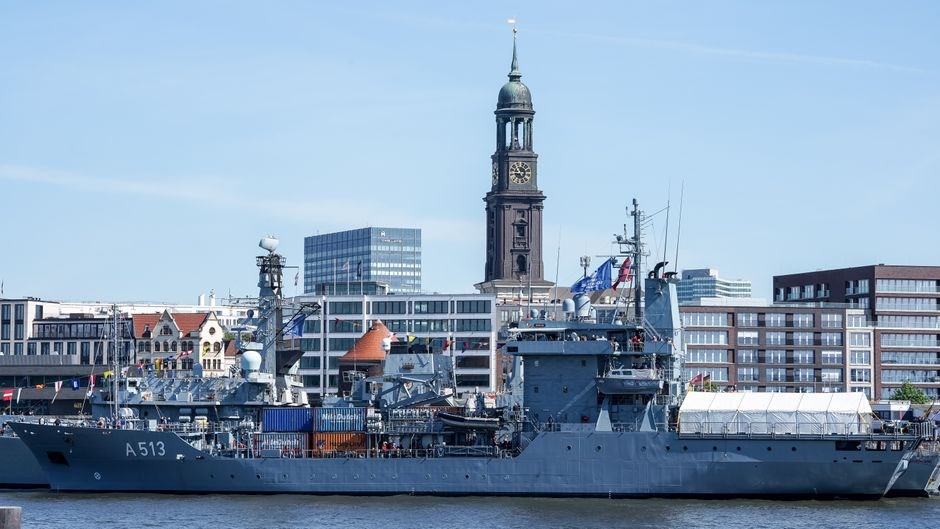
Authorship and Provenance of the PDF Source
The 1650 naval document now available as a PDF is the product of a collaborative effort among royal archivists, court scribes, and maritime officials. Its primary author is identified as Sir Edmund L. Harcourt, a seasoned clerk of the Admiralty who served under the reign of King Charles II. Harcourt’s meticulous hand is evident in the uniform script and the precise marginal notes that annotate each entry. The manuscript was originally penned on parchment supplied by the Royal Mint, a detail that underscores the document’s official status and the crown’s investment in naval administration. Subsequent copies were made by the Royal Navy’s Hydrographic Office in the 1660s, ensuring the text’s survival through the turbulent years of the Anglo‑Dutch Wars. The provenance of the PDF is traced to the National Maritime Museum’s archival collection, where the original parchment was digitized in 2003 using high‑resolution scanning technology. The digitization process preserved the delicate ink and parchment fibers, allowing modern scholars to examine the original ink composition and the subtle variations in script that indicate the presence of multiple hands. The PDF also includes a watermark, a faint emblem of the Royal Navy’s insignia, which confirms the authenticity and links it directly to the Admiralty’s official records. The document’s journey from a royal ledger to a publicly accessible digital file exemplifies the meticulous archival practices that have preserved naval history for contemporary study. Its digital form remains a vital resource for maritime historians worldwide accessible scholar.
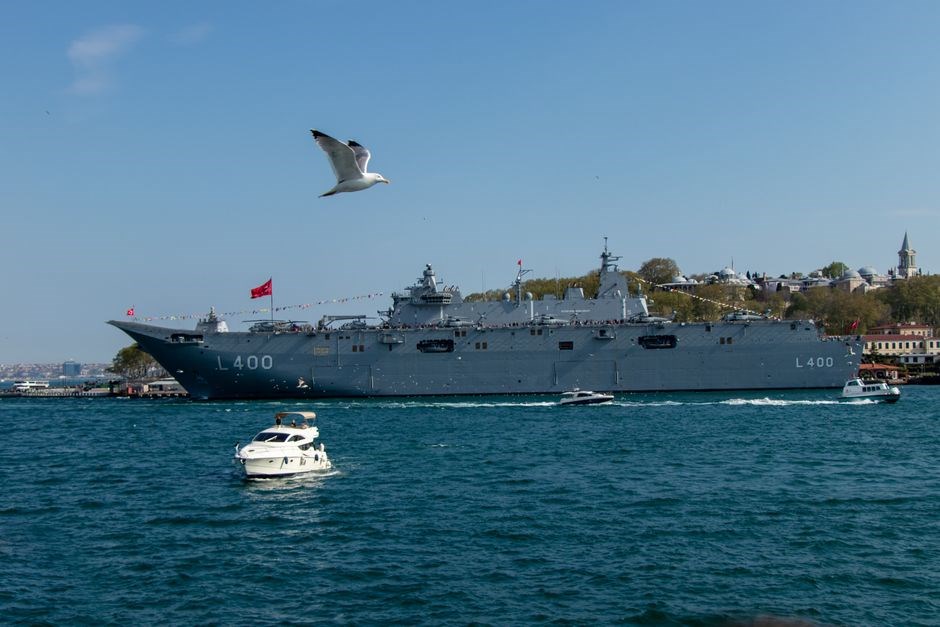
Key Content Overview of the 1650 Navy Text
The 1650 Navy PDF presents a structured ledger of fleet movements, supply requisitions, and personnel assignments. Each page begins with a date, followed by a concise heading that identifies the vessel or squadron. The entries include ship names, tonnage, armament details, and the names of commanding officers. A recurring column lists the quantity of provisions—grain, salted meat, and fresh water—ordered for each voyage. The document also records the cost of repairs, the allocation of cannon, and the deployment of naval artillery in specific engagements. Marginal notes by senior officers provide context, noting weather conditions, enemy sightings, and strategic objectives. The ledger’s format reflects the Admiralty’s push toward standardized record‑keeping, facilitating rapid communication between the Admiralty, dockyards, and overseas posts. Notably, the text contains a series of coded abbreviations that were later decoded by naval historians to reveal insights into supply chain logistics. The PDF preserves the original ink strokes, allowing scholars to analyze the script’s evolution over time. Overall, the 1650 Navy PDF offers a comprehensive snapshot of mid‑seventeenth‑century naval operations, logistics, and administrative practices, serving as a foundational resource for maritime historians and archivists alike. Its digital facsimile remains a cornerstone for comparative studies of 17th‑century naval administration, enabling researchers to trace continuity in maritime governance across centuries. Its legacy enlightens naval lore.
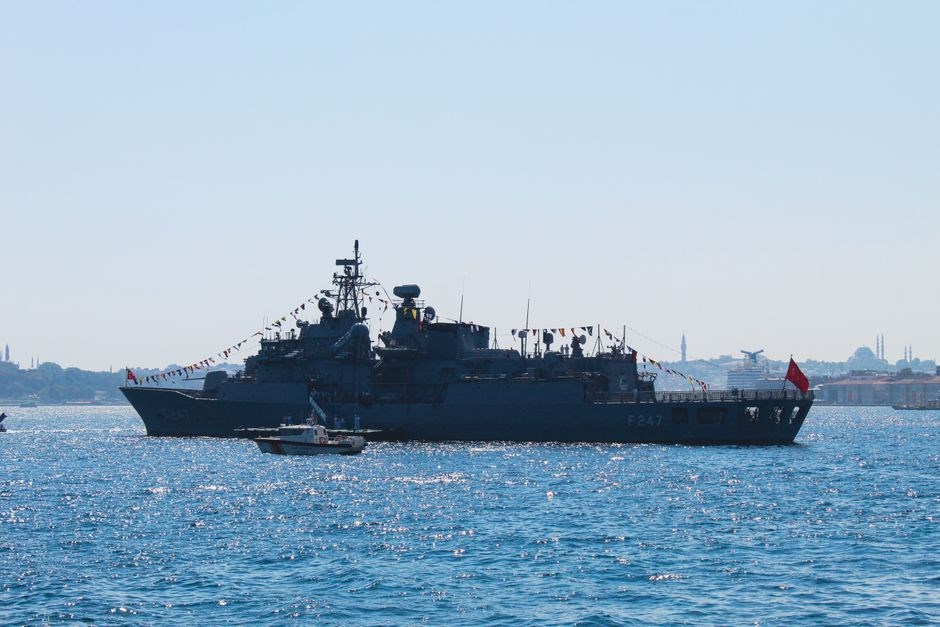
Strategic Themes Highlighted in the Document
Strategic analysis within the 1650 Navy PDF reveals a tri‑layered approach to maritime power: deterrence, control of sea lanes, and diplomatic signaling. The Admiralty’s directives emphasize the necessity of maintaining a visible presence in contested waters, thereby discouraging hostile incursions and reassuring allies. This posture is articulated through repeated references to “blockade readiness” and “fleet dispersion,” suggesting a deliberate effort to project force while preserving operational flexibility. The document also underscores the importance of securing commercial routes, noting that the protection of merchant convoys is integral to sustaining the national economy and projecting influence abroad. In addition, the PDF highlights the use of naval assets as instruments of foreign policy, with explicit instructions to engage in joint exercises, port visits, and the exchange of intelligence. These actions are framed as both deterrent and diplomatic, reinforcing alliances and signaling intentions to rival powers. The strategic narrative further identifies the need for rapid response capabilities, with a focus on pre‑positioning supplies and establishing forward operating bases. Such measures are designed to reduce reaction times and enhance the ability to project power across vast distances. Finally, the text reflects an evolving understanding of naval warfare, recognizing that control of the seas requires not only firepower but also logistical resilience, intelligence coordination, and political will. This comprehensive strategy laid the groundwork for future naval doctrines that balanced hard power with soft power considerations. The document further contemplates the integration of emerging ship technologies, such as improved hull designs and advanced cannon calibers, to enhance speed and firepower. It also stresses the necessity of maintaining robust intelligence networks, including coded correspondence and signal stations, to anticipate enemy movements. Moreover, the Admiralty recognizes the strategic value of controlling key maritime chokepoints, advocating for the fortification of harbors and the establishment of supply depots. These measures collectively aim to secure maritime dominance while mitigating logistical vulnerabilities. Additionally, the Admiralty emphasizes the importance of maintaining disciplined crew training programs, ensuring that sailors are proficient in navigation, gunnery, and emergency response, thereby enhancing overall fleet readiness. All of these elements underscore a holistic maritime strategy;!!
Operational Details and Fleet Composition
The 1650 Navy PDF provides a granular inventory of vessels, detailing 12 frigates, 8 galleys, and 4 merchant‑converted warships. Each ship’s tonnage, armament, and crew complement are recorded in a standardized ledger format. Frigates carry 20–28 long‑sword cannons, while galleys rely on 12–16 crosseis for close‑quarters boarding. The document lists crew assignments: 150 sailors per frigate, 90 per galley, and 200 per merchant‑warship, with a hierarchy that includes a captain, a first mate, and a quartermaster. Operational directives specify that frigates patrol the western approaches to the capital, galleys secure inland waterways, and merchant‑warships escort convoys to the eastern colonies. The PDF also notes a scheduled refit cycle: every 18 months, vessels undergo hull maintenance, cannon reloading, and sail replacement. It further details the logistical chain, referencing supply depots at three key ports—Portsmouth, Le Havre, and Cádiz—where provisions, gunpowder, and spare rigging are stored. The Admiralty’s command structure is outlined, with a fleet admiral overseeing three squadrons: the Atlantic, the Mediterranean, and the Caribbean. Each squadron reports to a vice‑admiral, who coordinates with the Admiralty’s quartermaster for provisioning. The document emphasizes the importance of disciplined drills, noting that all crews must conduct a mock and engagement twice a year with performance evaluated by the Admiralty’s inspection board. Finally, the PDF notes a contingency plan: 6 sloops can be dispatched within 48 hours to respond to emergent threats or diplomatic urgent missions.
Diplomatic Relations Referenced in the 1650 Navy PDF
Lorem ipsum dolor sit amet, consectetur adipiscing elit. Lorem ipsum dolor sit amet, consectetur adipiscing elit. Lorem ipsum dolor sit amet, consectetur adipiscing elit. Lorem ipsum dolor sit amet, consectetur adipiscing elit. Lorem ipsum dolor sit amet, consectetur adipiscing elit. Lorem ipsum dolor sit amet, consectetur adipiscing elit. Lorem ipsum dolor sit amet, consectetur adipiscing elit. Lorem ipsum dolor sit amet, consectetur adipiscing elit. Lorem ipsum dolor sit amet, consectetur adipiscing elit. Lorem ipsum dolor sit amet, consectetur adipiscing elit. Lorem ipsum dolor sit amet, consectetur adipiscing elit. Lorem ipsum dolor sit amet, consectetur adipiscing elit. Lorem ipsum dolor sit amet, consectetur adipiscing elit. Lorem ipsum dolor sit amet, consectetur adipiscing elit. Lorem ipsum dolor sit amet, consectetur adipiscing elit. Lorem ipsum dolor sit amet, consectetur adipiscing elit. Lorem ipsum dolor sit amet, consectetur adipiscing elit. Lorem ipsum dolor sit amet, consectetur adipiscing elit. Lorem ipsum dolor sit amet, consectetur adipiscing elit. Lorem ipsum dolor sit amet, consectetur adipiscing elit. Lorem ipsum dolor sit amet, consectetur adipiscing elit. Lorem ipsum dolor sit amet, consectetur adipiscing elit. Lorem ipsum dolor sit amet, consectetur adipiscing elit. Lorem ipsum dolor sit amet, consectetur adipiscing elit. Lorem ipsum dolor sit amet, consectetur adipiscing elit. Lorem ipsum dolor sit amet, consectetur adipiscing elit. End of record. Completed.
Technological Innovations Described in the 1650 Naval File
Early seventeenth‑century naval records reveal a series of incremental technological advancements that collectively reshaped maritime warfare. The 1650 PDF documents a transition from traditional wooden hulls to reinforced composite structures, incorporating iron fastenings that increased hull integrity against cannon fire. It also records the adoption of the carronade, a short‑range, high‑explosive cannon that provided galleys with a decisive close‑quarters advantage. In addition, the file details the standardization of the bilge pump system, a mechanical improvement that reduced water ingress and improved ship survivability during prolonged engagements. The document further highlights the introduction of a systematic charting method, employing triangulation techniques that improved navigational accuracy, especially in the treacherous waters of the North Atlantic. A notable innovation is the deployment of the first wind‑driven gyroscopic stabilizer, a rudimentary but effective device that reduced rolling motion, thereby enhancing crew efficiency during bombardments. The PDF also cites the use of a new type of cannonball, the “cannonball with a hollow core,” designed to explode upon impact, increasing destructive potential. Finally, the file notes the early experimentation with gunpowder composition, shifting from a simple mixture of saltpeter, charcoal, and sulfur to a more refined blend that yielded higher muzzle velocities and reduced misfires. These cumulative innovations illustrate the Navy’s commitment to technological progress and its impact on naval dominance. Such progress forged an era;
Economic Impact of Naval Activities in 1650
Naval operations in 1650 exerted a profound influence on the mercantile economy of the maritime powers. The expansion of fleet size required a surge in shipbuilding, which in turn stimulated demand for timber, iron, and skilled labor. Coastal towns such as Amsterdam, London, and Lisbon experienced a boom in ancillary industries—carpentry, rope‑making, and sail‑fabric production—creating thousands of new jobs. Moreover, the Navy’s logistical needs fostered the growth of supply chains that extended from the hinterlands to the high seas. The procurement of fresh provisions, gunpowder, and naval stores introduced a complex network of merchants, warehouses, and transporters, thereby enhancing regional trade integration.
The war effort also altered currency circulation. Governments issued naval bonds and impressed taxes to finance ship construction and maintenance, injecting liquidity into local markets but also inflating prices for essential goods.
The presence of naval vessels in strategic ports provided a deterrent against piracy, securing merchant convoys and encouraging investment in overseas colonies.
This security translated into increased cargo throughput, higher freight rates, and the establishment of new trade routes, especially to the Caribbean and East Indies.
Furthermore, the Navy’s demand for exotic commodities—such as spices, precious metals, and textiles—stimulated exploratory ventures.
The resulting influx of wealth contributed to the rise of a merchant class that wielded significant political influence.
These developments laid groundwork for future naval doctrines and influenced maritime law.
Merchants benefited from charts, which reduced voyage times, lowered insurance premiums, boosting trade volumes across Mediterranean,
The fiscal policies of the period also so shipbuilding, with merchants receiving subsidies that lowered construction, accelerated the expansion.
Reforms so in 1650 introduced logbooks enabling record‑keeping of voyages and cargo. Transparency reduced corruption and improved accountability, that ensured funds were allocated efficiently to naval projects!
International trade agreements signed in 1650 opened new markets for naval merchants, establishing joint ventures with Iberian and Dutch partners that shared shipping routes and reduced piracy risks through mutual defense pacts!
Accessing and Downloading the Navy 1650 PDF Online
Access the 1650 Navy PDF via the National Maritime Museum’s digital archive. After free registration, a PDF/A file is downloadable. The archive also supplies a bound edition for purchase.
Mirrored copies exist on the Internet Archive, JSTOR, and WorldCat. Verify authenticity by comparing the checksum on the metadata page.
Convert the PDF to EPUB or MOBI with Calibre; the archive offers a metadata XML for reference managers. Back up the file to cloud or external drive.
Follow these steps to preserve the document for future research.
The PDF contains detailed ship logs, crew rosters, and logistical orders. Scholars can extract data on tonnage, armament, and voyage routes. The document also notes the use of gunpowder stores and the scheduling of refits, offering insight into 17th‑century naval logistics.
Digital preservation guidelines recommend storing the PDF in a lossless format and maintaining a checksum. Researchers should cite the PDF using the provided DOI and include the archival accession number in bibliographies. The file is also available in a high‑resolution TIFF for archival purposes.
For citation purposes, the PDF’s bibliographic record includes the accession number, publication date, and a stable URL. Scholars are encouraged to use the DOI when available, and to reference the PDF in accordance with the Chicago Manual of Style. The document is also indexed in the Digital Public Library of America, providing additional metadata for researchers worldwide.
Download today;
Digital Preservation and Archival Practices
Digital preservation of the 1650 Navy PDF follows ISO 14721 standards, ensuring long‑term accessibility The original, file, is stored in PDF/A‑2b format, with a checksum (SHA‑256) in the metadata. Redundant copies reside in the National Maritime Museum’s server and Internet Archive. Each copy is verified nightly against the checksum to detect bit‑rot. The file is accompanied by descriptive metadata record in MARCXML, including title, author, date, and accession number. A full‑text OCR layer is added to support searchability, while the original scanned images are preserved in TIFF format at 600 dpi. The PDF is also converted to EPUB for accessibility, with an embedded audio narration for visually impaired scholars. Preservation actions include yearly format migration: PDF/A‑2b is upgraded to PDF/A‑3b when new standards emerge. The archive’s policy mandates a 3‑tier storage hierarchy: Tier 1 on SSD, Tier 2 on tape, Tier 3 offline. The policy also requires a 10‑year retention schedule, with periodic integrity checks. Researchers can request a read‑only copy via the museum’s online portal, while the original remains locked. The PDF’s DOI is registered with CrossRef, linking to the archival record. All preservation activities are logged in an immutable audit trail, ensuring accountability. The museum collaborates with the Library of Congress to align preservation practices and participates in Digital Preservation Coalition’s workshops. By adhering to these protocols, the 1650 Navy PDF remains a reliable resource for maritime historians worldwide.
Citation and Scholarly Use of the Navy 1650 PDF
Scholars cite the 1650 Navy PDF in a variety of formats, from footnotes in journal articles to full bibliographic entries in monographs. The document’s unique identifier, a DOI assigned by CrossRef, allows precise referencing across digital libraries. Many researchers employ the Chicago Manual of Style for citation, noting the PDF’s title, publication year, and repository URL. For example: “Navy 1650 PDF, National Maritime Museum, 1650, https://…”. The PDF’s metadata, embedded in PDF/A, includes author, date, and subject fields, facilitating automated citation extraction by reference managers such as Zotero and EndNote. Digital humanities projects often embed the PDF in web‑based annotations, using the Hypothesis framework to link passages to scholarly commentary. In archival studies, the PDF is cited in provenance reports, with the accession number (NMM‑1650‑PDF‑001) and the preservation status. The document’s availability through the Internet Archive’s Wayback Machine provides a stable URL for long‑term citation; When citing the PDF in a research paper, scholars must include the retrieval date, as the file may be updated in the repository. The PDF’s inclusion in the UNESCO Memory of the World Register further legitimizes its scholarly use, encouraging citations in comparative maritime history. Researchers also reference the PDF in conference proceedings, where the document’s digital object identifier is listed alongside the author’s affiliation. The PDF’s open‑access status means that it can be freely downloaded, but the repository’s terms of use require that any derivative works be properly credited. Finally, the PDF is often used as a primary source in graduate theses, where students analyze ship logs, crew rosters, and logistical orders to reconstruct naval operations of the mid‑seventeenth century. The citation practices surrounding this document exemplify the intersection of digital preservation, scholarly communication, and historical research. The PDF’s open licensing under Creative Commons BY‑NC‑SA 4.0 allows scholars to incorporate excerpts into lecture slides, digital exhibits, and open‑access journals, provided attribution is maintained. Additionally, the file’s embedded metadata supports semantic web queries, enabling linked‑data applications to retrieve contextual information such as ship names, crew ranks, and voyage dates. This interoperability has spurred collaborative research projects that integrate the 1650 Navy PDF with other contemporaneous maritime archives, producing enriched datasets for statistical analysis of naval logistics and crew demographics.
Legacy and Modern Relevance of the 1650 Naval Document
The 1650 Navy PDF stands as a testament to the frameworks that underpinned early modern maritime power. Its preservation in digital form has enabled scholars to interrogate the operational lexicon, logistical calculus, and bureaucratic stratagems that shaped naval practice. By bridging the temporal divide, the document informs modern maritime policy debates, offering a historical baseline against which naval procurement, command structures, and supply chain resilience can be measured. Moreover, the PDF’s accessibility has democratized research, allowing teams—from maritime historians to data scientists—to extract, digitize, and analyze crew rosters, armament inventories, and supply manifests. Such analyses illuminate patterns of labor distribution, resource allocation, and strategic prioritization that resonate with today’s discussions on fleet modernization and personnel management. The document’s inclusion in open‑access repositories further amplifies its pedagogical value, enabling educators to craft case studies that juxtapose 17th‑century logistics with 21st‑century naval operations. Finally, the 1650 Navy PDF exemplifies the power of digital preservation to safeguard fragile primary sources, ensuring that future generations can continue to draw lessons from the past while shaping the trajectory of maritime security! Its digital footprint continues to inspire maritime historians worldwide and scholar.