Understanding Quilt Washing Instructions
Decoding care labels and understanding symbols is crucial for preserving quilts, extending their lifespan, and maintaining their beauty through proper washing techniques.
The Importance of Proper Quilt Care
Quilts represent significant time, artistry, and often, sentimental value. Proper care isn’t merely about cleanliness; it’s about preservation. Ignoring washing instructions can lead to irreversible damage – faded colors, distorted shapes, and weakened fabrics. Vintage or antique quilts, crafted from delicate materials and hand-sewn techniques, are particularly vulnerable.
Understanding laundry symbols empowers you to make informed decisions, preventing accidental shrinking, color bleeding, or fiber breakdown. A gentle approach, utilizing mild detergents and appropriate washing cycles, safeguards the quilt’s integrity. Neglecting these details risks losing a cherished heirloom. Treating each quilt with mindful attention ensures it remains a beautiful and comforting piece for generations to come.
Quilt Fabric Types and Their Washing Needs
Quilts are diverse, constructed from varying fabrics demanding tailored washing approaches. Cotton quilts generally tolerate gentle machine washing, while those featuring silk, wool, or rayon necessitate hand washing or professional cleaning. Synthetic blends often offer more durability, but still benefit from mild treatment.
Dark or brightly colored fabrics are prone to bleeding, requiring color-catcher sheets and cool water. Quilts with delicate embellishments – beads, sequins – should avoid machine washing altogether. Batting material (cotton, polyester, wool) also influences care; some battings shrink more than others. Always check the label and consider a test wash on an inconspicuous area to assess colorfastness and fabric reaction before full cleaning.
Decoding Laundry Symbols on Quilt Labels
Laundry symbols on quilt labels provide essential guidance for washing, drying, and ironing, ensuring proper care and preventing damage to treasured handmade items.
Wash Tub Symbols: Temperature Guide
Wash tub symbols are key to understanding safe washing temperatures for quilts. A tub with a number inside indicates the maximum water temperature in Celsius; for example, 30°C is a gentle, cool wash. A tub with dots inside signifies a lower temperature – one dot means cold or delicate, two dots suggest a lukewarm wash, and three dots indicate warm.
Always prioritize cooler temperatures for quilts to prevent color bleeding and fabric shrinkage. A tub with a line underneath indicates a reduced spin cycle, which is gentler on the quilt’s fibers and construction. Ignoring these symbols can lead to irreversible damage, fading, or distortion of your cherished quilt. Careful attention to these details ensures longevity and preserves the quilt’s integrity.
Hand Wash Symbol: When to Use It
The hand wash symbol, depicting a tub filled with water and a hand, signals extreme delicacy. This is crucial for vintage quilts, those with fragile fabrics, or intricate embellishments like beads or sequins. Machine washing, even on a gentle cycle, could cause irreparable damage.
Hand washing involves gentle swirling in cool water with a mild detergent, avoiding harsh scrubbing or twisting. Rinse thoroughly until no soap remains, then carefully roll the quilt in a towel to remove excess water – do not wring it. This method minimizes stress on the fibers and preserves the quilt’s structural integrity. When in doubt, hand washing is always the safer option for treasured quilts.
Do Not Wash Symbol: Preservation Strategies
The “Do Not Wash” symbol, a tub with a cross through it, demands alternative preservation methods. This often applies to antique quilts with extremely delicate fabrics or unstable dyes. Direct washing risks irreversible damage, like color bleeding or fabric disintegration.
Instead, focus on spot cleaning with a gentle, pH-neutral solution and a soft cloth. For overall freshening, consider professional cleaning by a specialist experienced with antique textiles. Proper storage is also vital: use breathable cotton storage containers, avoid direct sunlight, and regularly inspect for pests.
Air the quilt periodically to prevent mildew, but avoid excessive handling. Preserving these heirlooms requires a cautious, preventative approach.
Washing Machine Symbols: Action & Cycle
Washing machine symbols dictate the appropriate action and cycle for your quilt. A tub filled with water indicates washability, while accompanying symbols refine the process. Lines underneath the tub signify the intensity of the cycle – more lines mean more agitation.
A hand within the tub denotes a hand wash cycle, gentler than standard options. A swirling symbol within the tub indicates a permanent press cycle. Understanding these nuances is key.
For quilts, prioritize a gentle or delicate cycle to minimize stress on the fabric and batting. Avoid harsh agitation, which can cause damage. Always check the label for specific recommendations, and when in doubt, opt for the mildest setting available.
Gentle Cycle vs. Normal Cycle for Quilts
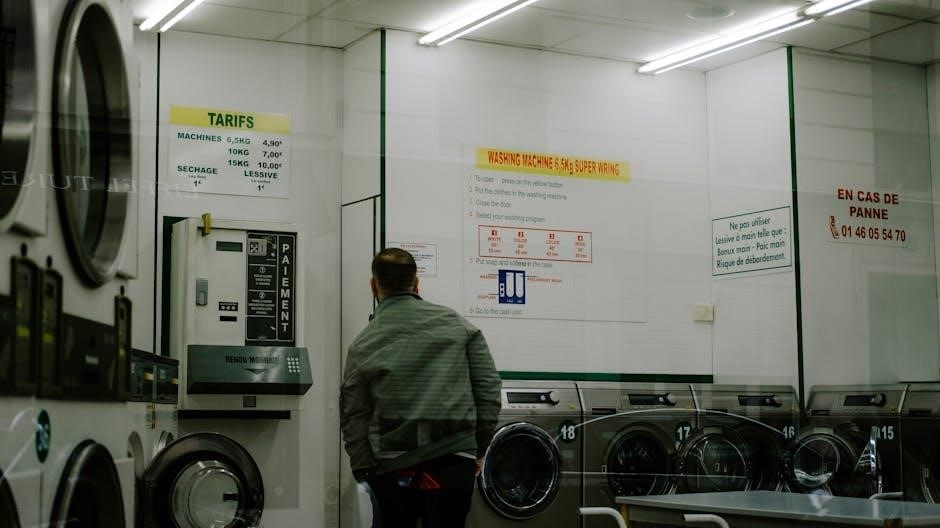
Choosing between a gentle and normal cycle significantly impacts quilt preservation. Normal cycles employ vigorous agitation and faster spin speeds, potentially damaging delicate fabrics, intricate stitching, and the quilt batting. This can lead to distortion, seam stress, and fiber breakdown over time.
A gentle cycle, conversely, utilizes slower agitation and spin speeds, offering a much safer cleaning experience for quilts. It minimizes wear and tear, preserving the quilt’s structural integrity and aesthetic appeal.
Always opt for the gentle cycle when washing quilts, especially vintage or antique pieces. This cautious approach safeguards against irreversible damage, ensuring your cherished quilt remains a treasured heirloom for generations to come.
Preparing Your Quilt for Washing
Before washing, inspect for loose seams, pre-treat stains carefully, and protect delicate embellishments to prevent damage during the cleaning process.
Pre-Treatment of Stains on Quilts
Addressing stains promptly is vital for successful quilt cleaning. Gently blot, never rub, to avoid spreading the stain and damaging the fabric. For mild stains, a diluted solution of mild detergent and cool water can be effective. Test this solution on an inconspicuous area first to ensure colorfastness.
Avoid harsh stain removers containing bleach or strong chemicals, as these can discolor or weaken the quilt’s fibers. For oil-based stains, a sprinkle of cornstarch can help absorb the oil before washing. Always rinse the pre-treated area thoroughly before proceeding with the full wash cycle. Remember, patience and a gentle approach are key when dealing with delicate quilt fabrics and vintage materials.
Checking for Loose Seams and Repairs
Before washing, meticulously inspect your quilt for any loose seams or weakened areas. Hand-sewing repairs before washing prevents further damage during the cleaning process. Pay close attention to edges, corners, and areas with intricate quilting. Reinforce any loose threads or seams with a needle and thread, using a color that closely matches the fabric.
Vintage quilts, especially those with hand-stitched elements, require extra care. Gently test the stability of the quilting stitches. Addressing these minor repairs proactively will safeguard the quilt’s structural integrity and prevent unraveling during washing. A little preventative maintenance extends the life of your treasured heirloom.
Removing or Protecting Delicate Embellishments
Quilts adorned with delicate embellishments – buttons, beads, ribbons, or appliques – demand special attention before washing. If possible, carefully remove detachable embellishments and store them separately to prevent damage. For fixed embellishments, consider hand-basting them securely or covering them with a mesh laundry bag during washing;
This protective measure shields them from snagging, abrasion, or detachment in the washing machine. Evaluate the attachment method; loosely attached items may require reinforcement or removal. Prioritizing the safety of these details preserves the quilt’s unique character and prevents costly repairs. Gentle handling is key to maintaining the integrity of embellished quilts.
Washing Your Quilt: Best Practices
Employ a mild detergent, cool water, and a gentle cycle to preserve quilt integrity. Wash quilts alone or with similar items, avoiding harsh chemicals.
Using a Mild Detergent for Quilts
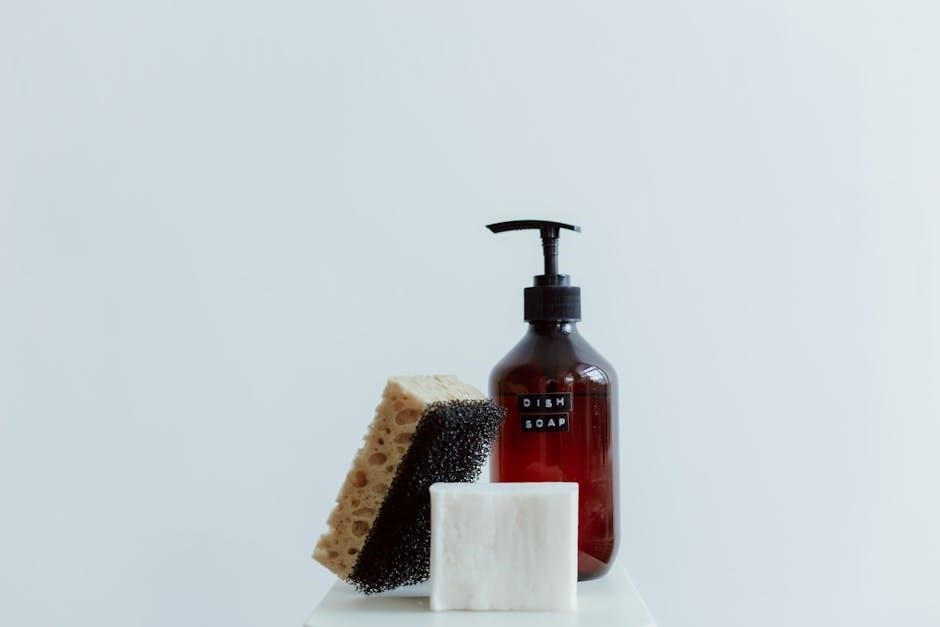
Selecting the right detergent is paramount when washing quilts, as harsh chemicals can degrade fibers and diminish vibrancy. Opt for a pH-neutral, mild detergent specifically designed for delicates or labeled safe for colors. Avoid detergents containing bleach, brighteners, or enzymes, as these can cause fading, weakening of fabrics, and damage to intricate quilting.
Liquid detergents are generally preferred over powders, as powders may not dissolve completely and can leave residue. Use a minimal amount of detergent – less is often more – to ensure thorough rinsing. Thorough rinsing is vital to remove all traces of detergent, preventing stiffness and potential allergic reactions. Consider detergents formulated for baby clothes, as they are typically gentle and hypoallergenic, making them ideal for cherished quilts.
Water Temperature Considerations
Water temperature significantly impacts quilt preservation; therefore, careful consideration is essential. Generally, cool or lukewarm water is recommended for most quilts, minimizing the risk of color bleeding and fabric shrinkage. Hot water can cause dyes to fade and fibers to weaken, particularly in vintage or antique quilts.
However, the quilt’s fabric composition influences the ideal temperature. Cotton quilts typically tolerate cool to lukewarm water, while synthetic blends may benefit from slightly warmer temperatures. Always test a hidden area of the quilt with water to check for colorfastness before washing the entire piece. Avoid drastic temperature changes during the wash cycle, as this can contribute to shrinkage and distortion.
Washing Quilts Alone or with Similar Items
To prevent damage and maintain quilt integrity, washing quilts separately or with similar items is highly recommended. Avoid washing quilts with abrasive materials like denim or items with zippers, buttons, or hooks, which can cause snags and pulls. If washing with other items, ensure they are of comparable weight and fabric type – gentle cycles are best.
Washing a quilt alone allows for more thorough rinsing, removing all detergent residue that could attract dirt or cause discoloration over time. Overloading the washing machine restricts water circulation, potentially leading to uneven cleaning and increased wear and tear. Prioritize spaciousness to ensure the quilt can move freely during the wash cycle.
Avoiding Harsh Chemicals and Bleach
Preserving the vibrant colors and delicate fibers of your quilt necessitates avoiding harsh chemicals and bleach entirely. Bleach can weaken fabric, cause irreversible discoloration, and damage intricate quilting patterns. Opt for color-safe detergents specifically designed for delicate fabrics, ensuring they are free of optical brighteners, which can dull colors over time.
Strong stain removers and harsh laundry boosters should also be avoided, as they can compromise the quilt’s structural integrity. Instead, address stains gently with mild soap and water, testing in an inconspicuous area first. Remember, gentle care is paramount; harsh chemicals offer quick fixes but ultimately lead to long-term damage and diminished beauty.
Drying Your Quilt
Proper drying prevents shrinkage and maintains quilt integrity. Air drying is ideal, but low-heat tumble drying with dryer balls offers fluffing benefits.
Air Drying vs. Machine Drying
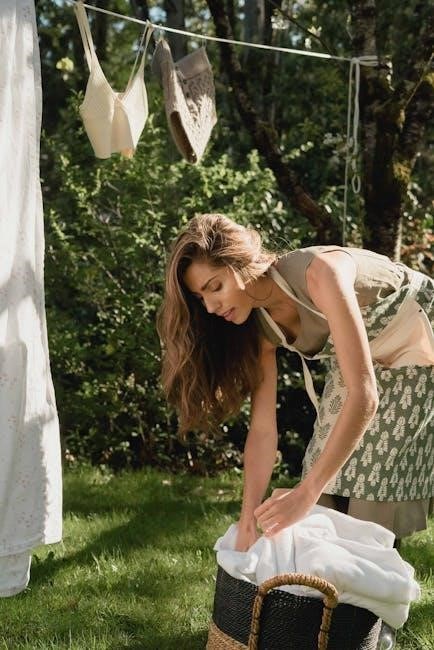
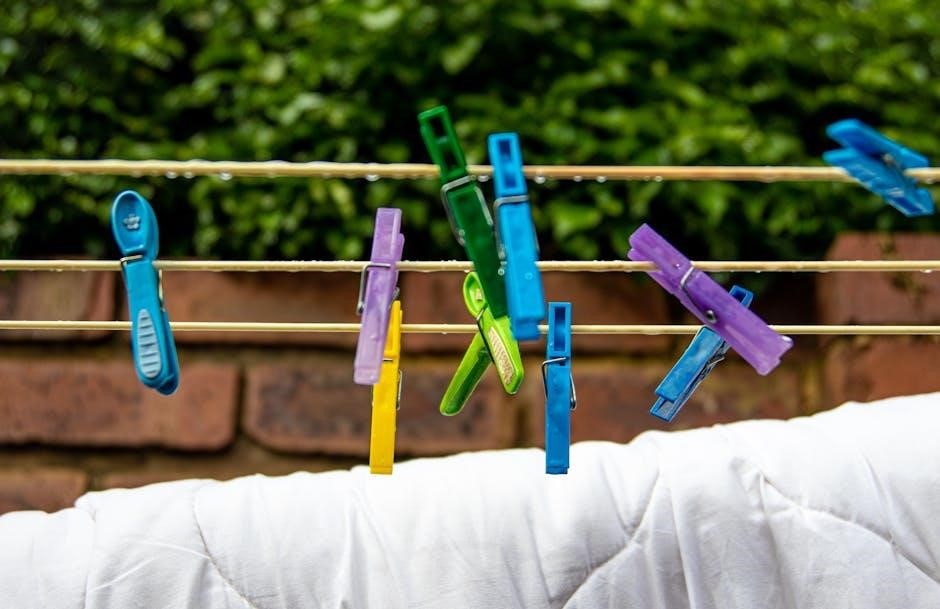
Choosing between air drying and machine drying significantly impacts your quilt’s longevity. Air drying, while time-consuming, is the gentlest method, minimizing shrinkage and preserving delicate fabrics. Lay the quilt flat on a clean surface or drape it evenly over multiple drying racks, ensuring good air circulation. Avoid direct sunlight, which can fade colors.
Machine drying, if the label permits, should be done cautiously. Always use the lowest heat setting and consider adding dryer balls to help fluff the batting and prevent clumping. Frequent checks are vital to avoid over-drying, a common cause of shrinkage and fiber damage. Remember that vintage or antique quilts are best suited for air drying due to their fragile nature and potential for damage from heat.
Tumble Drying on Low Heat
If the quilt’s care label allows machine drying, always opt for the lowest heat setting. High heat can cause significant shrinkage, damage fibers, and distort the quilt’s shape. Low heat drying is a slower process, but it’s far gentler on the fabric and batting.
Incorporating dryer balls is highly recommended; they help to redistribute the batting during the drying cycle, preventing it from clumping and ensuring even drying. Regularly pausing the dryer to fluff the quilt manually can also be beneficial. Frequent checks are crucial – remove the quilt while it’s still slightly damp to finish air drying, minimizing the risk of over-drying and potential damage.
Using Dryer Balls for Fluffing
Dryer balls are invaluable allies in quilt care, offering a gentle yet effective way to fluff and maintain the quilt’s loft. Unlike fabric softeners, which can leave residue and diminish absorbency, dryer balls work mechanically to separate fibers. Wool dryer balls are a popular choice, known for their ability to reduce drying time and soften fabrics naturally.
Adding 3-6 dryer balls to the dryer with your quilt helps prevent the batting from clumping and ensures even distribution during the drying process. This is particularly important for quilts with cotton or polyester batting. Regularly cleaning the dryer balls themselves – by washing them occasionally – will maintain their effectiveness and prolong their lifespan, ensuring continued fluffing power.
Avoiding Over-Drying to Prevent Shrinkage
Over-drying is a significant threat to quilt integrity, potentially causing fabric shrinkage and damage to the batting. The heat can break down fibers, leading to distortion and a loss of the quilt’s original shape. It’s crucial to monitor the drying process closely and remove the quilt while it’s still slightly damp.
Employing a low heat setting on your dryer is paramount, and checking the quilt frequently will prevent excessive exposure to heat. Alternatively, air drying remains the safest option, minimizing the risk of shrinkage altogether. If machine drying, consider removing the quilt and finishing the drying process by laying it flat, allowing it to air dry completely, preserving its size and structure.
Special Considerations for Vintage Quilts
Antique quilts require exceptionally gentle handling due to delicate fabrics and hand-sewn construction; professional cleaning is often recommended for preservation.
Gentle Handling of Antique Fabrics
Vintage quilt fabrics are often fragile and susceptible to damage. Avoid harsh detergents, vigorous agitation, and high temperatures, as these can weaken fibers and cause irreversible harm. Hand washing is generally preferred, using cool water and a pH-neutral soap specifically designed for delicate textiles. Support the quilt’s weight during washing to prevent stretching or distortion. Minimize handling while wet, as wet fabric is more vulnerable to tearing. If machine washing is unavoidable, use a mesh laundry bag for protection and select the gentlest cycle available. Always test a small, inconspicuous area first to check for colorfastness and fabric stability. Remember that antique quilts represent a piece of history, and careful preservation is paramount.
Professional Cleaning for Delicate Quilts
For exceptionally delicate or valuable quilts, professional cleaning is highly recommended. Seek out a cleaner specializing in antique textiles or quilts, possessing the expertise to handle fragile materials safely. Avoid dry cleaning, as the solvents can damage fibers and cause discoloration. A professional will assess the quilt’s condition, identify fabric types, and employ appropriate cleaning methods, often involving gentle hand washing and specialized drying techniques. Discuss any concerns, such as loose seams or embellishments, with the cleaner beforehand. Inquire about their experience with similar items and their insurance coverage. While more expensive, professional cleaning offers the safest option for preserving irreplaceable heirloom quilts, ensuring their longevity and beauty for generations to come.

Long-Term Quilt Storage
Proper storage protects quilts from pests, moisture, and damage. Utilize breathable containers, avoid plastic, and choose folding or rolling based on quilt weight.
Folding vs. Rolling for Storage
Deciding between folding and rolling quilts for long-term storage depends on the quilt’s weight and construction. Heavier quilts generally benefit from being folded, as rolling can stress the seams and batting over extended periods. When folding, change the fold lines periodically to prevent permanent creases.
Lighter, more delicate quilts can often be gently rolled around a clean, acid-free tube or a rolled towel. This minimizes sharp creases and distributes weight more evenly. Avoid tightly rolling, which can compress the batting and damage the fabric. Regardless of the method, ensure the quilt is completely dry before storing to prevent mildew or mold growth. Consider the quilt’s size and your storage space when making your decision.
Using Breathable Storage Containers
Selecting appropriate storage containers is vital for quilt preservation. Avoid plastic bags or airtight containers, as they trap moisture and can lead to mildew or fabric degradation. Opt for breathable materials like cotton, linen, or acid-free muslin storage bags. These allow air circulation, preventing moisture buildup and keeping the quilt fresh.
Cardboard boxes can be used, but ensure they are acid-free and well-sealed to protect against pests. Never store quilts in direct sunlight or damp basements. Consider adding lavender sachets or cedar chips (ensure they don’t directly touch the quilt) to deter moths and other insects. Proper ventilation and breathable containers are key to long-term quilt care.
Protecting Quilts from Pests and Moisture
Safeguarding quilts from pests and moisture is paramount for longevity. Moths and other insects can cause irreparable damage, while moisture fosters mildew and weakens fibers. Regularly inspect stored quilts for signs of infestation, like small holes or webbing.
Employ preventative measures such as storing quilts with lavender sachets or cedar chips (avoid direct contact). Ensure the storage area is clean, dry, and well-ventilated. Avoid storing quilts in damp basements or attics. Consider using breathable cotton or linen storage bags instead of plastic. Periodic airing out of quilts in sunlight (indirect) can also help deter pests and refresh the fabric, but avoid prolonged exposure.
Addressing Common Quilt Washing Concerns
Color bleeding and batting issues are frequent worries. Using cold water and mild detergents minimizes color loss, while gentle washing prevents batting from clumping.
Preventing Color Bleeding
Color bleeding is a significant concern when washing quilts, especially those with vibrant or dark fabrics. To mitigate this, always test for colorfastness before the initial wash; dampen a hidden area with a wet cloth and observe if any dye transfers. Utilize cold water exclusively, as hot water accelerates dye release. Employ a detergent specifically formulated for colors, avoiding those containing bleach or brighteners.
Washing the quilt separately during the first few washes is highly recommended. Consider adding a color catcher sheet to the wash cycle – these sheets attract loose dyes, preventing them from redepositing onto the quilt fabric. Vinegar, a natural color fixative, can be added to the rinse cycle (about half a cup) to help set the dyes. Finally, promptly remove the quilt from the washing machine once the cycle is complete to prevent prolonged dye exposure.
Dealing with Quilt Batting Issues
Quilt batting, the inner layer, can sometimes shift or clump during washing. To minimize this, choose a batting designed for washability and ensure even distribution before quilting. When washing, a gentle cycle and cool water are essential. Avoid excessive agitation, which can exacerbate clumping. Adding a few clean tennis balls (placed inside clean socks) to the dryer can help break up batting clumps and restore fluffiness.
If significant clumping occurs, gently redistribute the batting by hand while the quilt is still damp. Avoid harsh pulling or stretching. For cotton batting, occasional re-fluffing may be necessary. Synthetic batting generally holds its shape better; Always ensure the batting is thoroughly dry to prevent mildew growth within the quilt layers.