Drilling holes is a fundamental skill requiring precision and the right tools. It involves creating openings in materials like wood, metal, or plastic with accuracy and safety.
1.1 Importance of Drilling Holes
Drilling holes is a critical skill across various industries and DIY projects, enabling precise material penetration for installing fixtures, creating joints, or accommodating fasteners. Accurate drilling ensures structural integrity, proper alignment, and safety. It is essential for woodworking, metalworking, and masonry, allowing for efficient assembly and functionality. Without proper drilling techniques, projects may suffer from misalignment, weakened structures, or unsafe conditions. Mastering drilling enhances productivity and craftsmanship, making it a fundamental skill for both professionals and hobbyists.
1.2 Brief Overview of Drilling Tools and Techniques
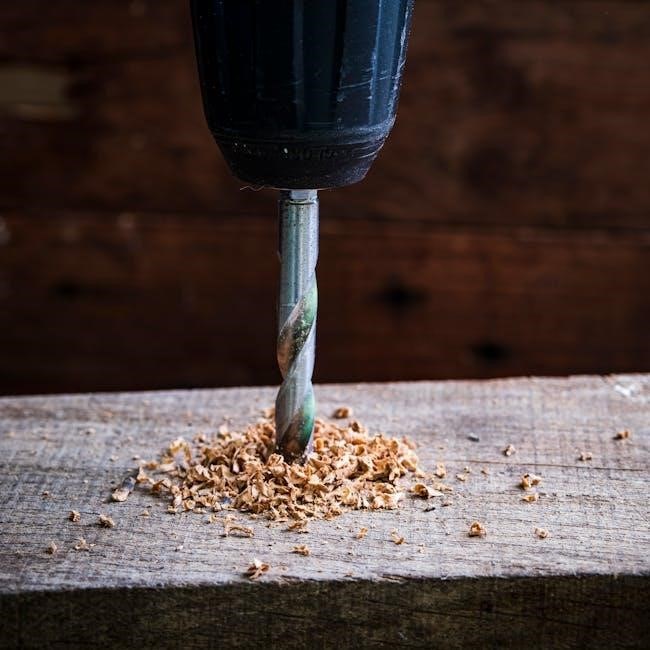
Drilling holes requires a variety of tools and techniques tailored to specific materials and applications. Essential tools include hand drills, drill presses, and specialized drill bits like twist bits, Forstner bits, and spade bits. Techniques involve marking materials accurately, using pilot holes for precision, and maintaining drill bit sharpness. Proper lubrication and controlled pressure ensure clean, efficient drilling. Advanced methods, such as angled drilling and deep hole precision, require additional guides and templates. Understanding the right tools and techniques enhances drilling accuracy, safety, and overall project quality, making it a versatile skill for various industries and DIY projects.
Preparation for Drilling
Preparation is crucial for successful drilling, involving proper tool selection, material marking, and safety measures to ensure accuracy and prevent accidents.
2.1 Choosing the Right Drill and Drill Bits
Choosing the right drill and drill bits is essential for achieving precise results. For most tasks, a twist drill bit is ideal, while spade bits are better for larger holes. Forstner bits create clean, flat-bottomed holes, perfect for woodworking. Always select bits appropriate for the material, whether wood, metal, or plastic. Using the wrong bit can lead to poor results or damage. Consider the drill’s power and speed settings to match the material and bit type for optimal performance and safety. Proper selection ensures efficiency and quality in your drilling projects.
2.2 Safety Precautions and Equipment
Safety is paramount when drilling holes. Always wear protective gear, including safety goggles and gloves, to prevent injury from debris. Ensure the work area is clear of clutter and well-lit. Properly secure the material to avoid movement during drilling. Use the correct drill speed for the material to prevent overheating. Apply gentle, consistent pressure and avoid over-tightening. Keep loose clothing and long hair tied back. Use lubrication when necessary to reduce heat and friction. Never leave a running drill unattended, and store tools safely after use. A fire extinguisher should be nearby in case of emergencies.
2.3 Marking the Material for Accurate Drilling
Accurate marking is essential for successful drilling. Use a pencil or marker to clearly define the drilling location. For metal, create a center punch mark to guide the drill bit. Homemade or commercial templates can ensure precise hole placement. Clamp the material firmly to prevent movement during drilling. Double-check the marks before starting to avoid errors. Use a straightedge or alignment tool for straight holes. Proper marking ensures the drill bit stays on target, reducing the risk of mistakes and improving overall accuracy. This step is crucial for achieving professional-quality results in any drilling project.

Techniques for Drilling Holes in Various Materials
Drilling techniques vary across materials, requiring adaptable methods. Wood, metal, plastic, glass, and concrete each demand specific tools and settings for optimal results.
3.1 Drilling Holes in Wood
Drilling holes in wood requires careful selection of tools and techniques. Use twist drills or Forstner bits for clean, precise results. Start with a pilot hole to guide larger bits and avoid splintering. Maintain sharp drill bits to prevent tear-out and ensure smooth cuts. Clamp the wood firmly to keep it stable during drilling. For larger holes, apply masking tape to minimize edge damage. Apply steady, consistent pressure, and avoid excessive speed, which can cause the wood to burn or split. Proper technique ensures accurate, professional-looking holes in woodworking projects.
3.2 Drilling Holes in Metal
Drilling holes in metal requires precision and the right techniques to avoid damage. Start with a sharp, high-speed steel or carbide-tipped drill bit, as dull bits can overheat and damage the material. Use a pilot hole to guide larger bits and maintain accurate alignment. Apply steady, consistent pressure, but avoid excessive force, which can cause the bit to slip or break. Lubricate the drill bit with coolant or motor oil to reduce friction and prevent overheating. Keep the workpiece firmly clamped to ensure stability. Drilling at the correct angle and speed is crucial for clean, precise holes in metal surfaces. Always wear safety goggles.
3.3 Drilling Holes in Plastic
Drilling holes in plastic requires careful technique to avoid melting or cracking the material. Start with a sharp drill bit specifically designed for plastics, as dull bits can generate excessive heat. Use a pilot hole to guide larger bits and maintain control. Apply steady, light pressure to prevent the plastic from deforming. Drilling at a slower speed helps reduce friction and heat buildup. If needed, use a small amount of lubricant, such as water or silicone spray, to cool the bit and prevent melting. For clean edges, consider using masking tape around the drilling area to stabilize the material and minimize cracking.
3.4 Drilling Holes in Glass and Ceramic
Drilling holes in glass and ceramic demands precision and caution to avoid shattering. Use a diamond-coated drill bit, which is designed for such materials, and start with a small pilot hole. Apply consistent, gentle pressure while keeping the bit cool with water or a coolant. It’s crucial to maintain a steady hand and avoid applying too much force, as this can cause the material to crack. Begin at a low speed and gradually increase as needed. Using masking tape around the area can help prevent the drill bit from slipping and improve control, ensuring a clean and precise hole.
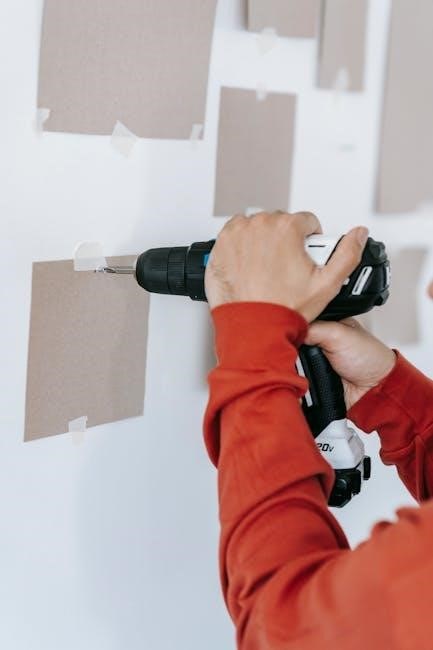
Drilling holes in concrete and masonry requires robust tools and techniques. Use a hammer drill with a carbide-tipped bit for small holes or a diamond core bit for larger diameters. Start by marking the spot accurately and securing the material if needed. Apply steady, firm pressure while maintaining a consistent drilling speed to prevent overheating. Lubricate with water to keep the bit cool and extend its lifespan. Avoid applying excessive force, which can damage the tool or the surrounding material. For deep holes, pause periodically to clear dust and debris, ensuring a clean and precise finish. Safety goggles are essential to protect against flying particles. Essential drilling tools include hand drills, drill presses, and specialized bits. Proper equipment ensures precision and safety, making every drilling task more efficient and accurate. Hand drills are portable and ideal for small, straightforward projects, offering flexibility and ease of use. Drill presses, while stationary, provide greater precision and control, especially for deep or large holes. Both tools have their place, with hand drills excelling in convenience and presses in accuracy for more demanding tasks. Choosing the right one depends on the project’s requirements and the user’s skill level. Proper usage of either ensures clean, efficient drilling results. Specialized drill bits are designed for specific materials and tasks, ensuring precise and efficient drilling. Twist bits are versatile for general-purpose drilling in metal, wood, and plastic. Spade bits are ideal for large holes in wood, while Forstner bits create clean, flat-bottomed holes. Masonry bits, with their tungsten carbide tips, are perfect for concrete and brick. Glass and tile bits use diamond-coated tips for smooth drilling without shattering. Hole saws are used for cutting large, clean circles in various materials. Choosing the right bit for the material and task ensures optimal results and prevents damage to the workpiece or tool. Drilling accurate and clean holes requires careful preparation and technique. Use pilot holes for precision, maintain sharp drill bits, and apply steady, consistent pressure. Utilize guides or templates to ensure straight drilling and avoid material damage. Proper lubrication and cooling can also enhance hole quality and tool longevity. Using pilot holes is a crucial step for achieving precision in drilling. Start with a small pilot hole to guide the larger drill bit, ensuring accuracy and preventing material damage. This method is especially effective for avoiding splintering in wood and for aligning screws in metal projects. Pilot holes also help in maintaining the drill bit’s stability, reducing the risk of wandering and creating clean, straight holes. By beginning with a smaller hole, you can gradually increase the size with confidence, resulting in precise and professional-looking finishes. This technique is essential for both beginners and experienced drillers alike. Maintaining sharp drill bits is essential for clean, efficient drilling. Dull bits can cause overheating, uneven holes, and material damage. Regularly sharpen bits using a sharpening stone or electric grinder. Store bits properly to prevent dulling. Lubricate during drilling to reduce friction and prolong bit life. Sharpening ensures precise cuts and prevents excessive pressure, which can damage both the bit and the material. Always inspect bits before use and sharpen as needed for optimal performance and cleaner holes. Applying the right amount of pressure while drilling is crucial for clean, accurate holes. Too much pressure can overheat the bit, damage the material, or cause the drill to slip. Start with light pressure and gradually increase as needed. Allow the drill bit to do the work without forcing it. Monitor the drilling process to avoid overheating, especially in harder materials like metal or stone. Proper pressure ensures even wear on the bit and prevents premature dulling. Adjust pressure based on the material’s hardness and the drill bit’s speed for optimal results. Common mistakes include overheating drill bits, drilling without lubrication, and ignoring material-specific techniques. These errors can damage materials and reduce drill bit longevity. Awareness and prevention ensure better results. Overheating the drill bit is a common issue that can occur due to excessive friction during drilling. This often happens when using the wrong drill bit for the material or applying too much pressure. Overheating can lead to a dull bit, reducing its effectiveness and lifespan. It can also cause burns or damage to the workpiece. To prevent this, use appropriate drill bits, maintain moderate drilling speeds, and apply lubrication if necessary. Regularly inspecting the bit for signs of wear and ensuring proper cooling can help avoid overheating issues. Drilling without proper lubrication can lead to excessive heat buildup, damaging both the drill bit and the material. This is especially true when working with metal or plastic, as friction generates heat that can warp or discolor the workpiece. Additionally, a dry drill bit is more prone to wear and tear, reducing its lifespan. To avoid this, apply water or cutting oil to the drill bit and material. Lubrication cools the bit, reduces friction, and prevents overheating, ensuring cleaner cuts and extending tool longevity. Always use the appropriate lubricant for the material being drilled to achieve optimal results. Neglecting material-specific drilling techniques can result in poor hole quality, material damage, or even safety hazards. Each material—wood, metal, plastic, glass—responds differently to drilling. For instance, metal requires lubrication to prevent overheating, while glass needs a diamond bit and water to avoid shattering. Using the wrong technique can lead to cracks, uneven holes, or tool breakage. Always research and apply the correct method for the material at hand to ensure clean, precise results and maintain tool longevity. Proper techniques enhance efficiency and safety, making the drilling process more effective and reliable across various materials. Advanced techniques involve precision methods like angled drilling, deep hole boring, and using specialized bits. These methods require accurate alignment, controlled pressure, and guide templates for flawless results. Drilling angled holes requires precision and the right setup. Use a drill press with an adjustable tilt feature to maintain consistent angles. Mark the material accurately, ensuring the drill bit aligns with the desired angle. Apply steady, controlled pressure to avoid slipping. For intricate angles, consider using specialized jigs or guides to maintain stability. Lubrication is crucial to prevent overheating and ensure a clean finish. Regularly check the angle with a protractor or digital level to achieve precise results. Practice on scrap material to master this technique before working on final projects. Drilling deep holes with precision demands careful planning and technique. Start by using a center punch to mark the entry point, ensuring accuracy. Employ a pilot hole to guide the larger drill bit, maintaining straight alignment. Apply consistent, moderate pressure to avoid deflection. Use a drill press for stability, especially for very deep holes. Regularly withdraw the bit to clear debris and cool it with lubricants. Monitor the hole’s depth with a measuring tool to stay within specifications. For materials like metal, consider using specialized deep-hole drill bits designed for prolonged operations without losing precision. Safety goggles and proper ventilation are essential for this task. Guides and templates ensure accurate hole placement and alignment during drilling. They help maintain consistency and reduce errors, especially in complex or repetitive tasks. Use them for precision; Creating homemade drilling guides is a cost-effective way to ensure accuracy. Use scrap materials like wood or metal to craft custom templates. These guides help maintain straight holes and proper alignment, especially for repetitive tasks. Simple designs can be made in minutes, such as using a piece of wood with pre-drilled holes to guide your drill bit. Homemade guides are versatile and can be tailored to specific projects, offering a practical solution for DIY enthusiasts and professionals alike. They enhance precision and save time, making them a valuable addition to any workshop. Commercial drilling templates are precision-engineered tools designed for consistent and accurate hole placement. They are available in various sizes and materials, catering to specific tasks like removing broken studs or creating precise pilot holes. These templates often feature multiple apertures and are built to withstand frequent use, ensuring durability. They are particularly useful for professional applications where exactness is critical. Many commercial templates are arcuate, providing a stable guide for drills. They are an excellent choice for those seeking reliable, high-quality tools to enhance their drilling operations and achieve professional-grade results with minimal effort and expertise. Drilling holes is a skill that requires precision and practice. By mastering the techniques and tools discussed, you can achieve professional results. Keep experimenting and refining your approach for consistent success in various materials. Drilling precise holes involves selecting the right tools, maintaining sharp drill bits, and using proper techniques. Start with pilot holes for accuracy and apply steady pressure. Lubrication prevents overheating, especially in metals and glass. Material-specific methods ensure clean results. Avoid common mistakes like excessive force or ignoring safety guidelines. Regular practice enhances skill, leading to consistent success across various materials and projects. Drilling holes is a skill that improves with practice. Experiment with different tools and techniques to master various materials. Start with small projects to build confidence, gradually tackling more complex tasks. Each drill session offers a chance to refine your approach, ensuring cleaner and more precise results. Don’t hesitate to try new methods or tools—exploration enhances your expertise. Remember, patience and persistence are key to becoming proficient in drilling. Keep practicing, and soon you’ll achieve professional-quality outcomes in all your projects!3.5 Drilling Holes in Concrete and Masonry

Tools and Equipment for Drilling
4.1 Hand Drills vs. Drill Presses
4.2 Specialized Drill Bits for Specific Tasks

Tips for Drilling Accurate and Clean Holes
5.1 Using Pilot Holes for Precision
5.2 Maintaining Drill Bit Sharpness
5.3 Applying the Right Amount of Pressure

Common Mistakes to Avoid
6.1 Overheating the Drill Bit
6.2 Drilling Without Proper Lubrication
6.3 Ignoring Material-Specific Drilling Techniques
Advanced Drilling Techniques

7.1 Drilling Angled Holes
7.2 Drilling Deep Holes with Precision

Using Guides and Templates for Drilling
8.1 Homemade Drilling Guides
8.2 Commercial Drilling Templates
9.1 Summary of Key Drilling Principles
9.2 Encouragement to Practice and Experiment