Ultrasound-Guided Liver Biopsy: A Comprehensive Overview (Updated 01/26/2026)
Radiologists increasingly perform liver biopsies utilizing real-time ultrasound guidance, necessitating a thorough understanding of appropriate CPT coding for accurate billing and reimbursement practices.
A liver biopsy is a procedure where a small sample of liver tissue is removed for microscopic examination, crucial for diagnosing and staging various liver diseases. Traditionally performed surgically, it’s now frequently guided by imaging techniques, particularly ultrasound, enhancing safety and accuracy. The increasing reliance on real-time ultrasound control by radiologists demands precise CPT (Current Procedural Terminology) coding to reflect the services rendered.
Correct coding ensures appropriate reimbursement from payers and accurate data collection for healthcare statistics. Understanding the nuances of CPT codes related to ultrasound-guided liver biopsies is paramount for billing departments and physicians alike. This overview will delve into the specific codes applicable, modifiers that may be necessary, and considerations for comprehensive billing practices, ultimately streamlining the financial aspects of this vital diagnostic procedure.
The Role of Ultrasound Guidance
Ultrasound guidance has become integral to liver biopsy procedures, significantly improving their safety and diagnostic yield. Real-time visualization allows radiologists to precisely target the biopsy site, avoiding major vessels and other critical structures. This minimizes the risk of complications like bleeding and bile leaks, leading to better patient outcomes. Consequently, accurate CPT coding must reflect the skill and technology involved in ultrasound-guided approaches.
The use of ultrasound isn’t merely an adjunct; it fundamentally alters the procedure, justifying specific code selection. Proper documentation detailing the ultrasound’s role – from pre-procedure planning to real-time needle guidance – is essential for supporting the chosen CPT code and any applicable modifiers. Failing to accurately represent the ultrasound component can lead to claim denials and underpayment, highlighting the importance of meticulous coding practices.
Indications for Liver Biopsy
Determining the appropriate CPT code for an ultrasound-guided liver biopsy begins with understanding the clinical indication driving the procedure. Biopsies are frequently indicated to diagnose unexplained liver enzyme elevations, assess the severity of known liver diseases (like hepatitis or cirrhosis), and investigate potential liver masses. The specific diagnosis, as documented in the medical record, directly influences the ICD-10 coding, which is crucial for successful billing alongside the CPT code.
Furthermore, the indication can sometimes justify the use of modifiers to the primary biopsy code (65782). For example, if the biopsy is performed to evaluate a lesion previously identified on imaging, potentially requiring more complex guidance, modifier 22 might be appropriate. Accurate documentation linking the indication to the procedural complexity is paramount for supporting these coding decisions and ensuring appropriate reimbursement.
Pre-Procedure Evaluation

A meticulous pre-procedure evaluation is critical, not only for patient safety but also for accurate CPT coding related to the ultrasound-guided liver biopsy. This evaluation includes a comprehensive review of the patient’s medical history, focusing on bleeding disorders and medication use (particularly anticoagulants). Thorough documentation of these factors is essential, as they may necessitate adjustments to the procedural approach and potentially justify modifier usage with code 65782.
Additionally, reviewing prior imaging (like abdominal ultrasounds – codes 73721 or 73723) is vital. If a separate, diagnostic ultrasound is performed immediately before the biopsy to further characterize the target area, appropriate coding for both procedures is necessary. Proper documentation clearly delineating these separate services supports accurate billing and avoids potential claim denials.
Patient History and Physical Exam
A detailed patient history and physical examination are paramount before an ultrasound-guided liver biopsy, directly impacting appropriate CPT code selection and supporting medical necessity. Specifically, documenting any history of bleeding diathesis, prior liver disease, or current anticoagulant/antiplatelet therapy is crucial. This information influences procedural planning and potential modifier application to code 65782, such as modifier 22 for increased procedural services if extra time and effort are required.
The physical exam should focus on assessing for signs of chronic liver disease (jaundice, ascites, etc.). Thorough documentation of these findings strengthens the justification for the biopsy and the associated CPT coding. Accurate and complete records are essential for defending claims and ensuring appropriate reimbursement for the ultrasound-guided procedure.
Laboratory Tests
Comprehensive laboratory testing is a prerequisite before an ultrasound-guided liver biopsy, directly influencing CPT code selection and demonstrating medical necessity. Complete blood count (CBC) with platelet count is vital; inadequate platelet levels may necessitate procedure postponement or modification, potentially requiring modifier application to 65782. Liver function tests (LFTs) – including AST, ALT, bilirubin, and albumin – establish baseline liver status and support the biopsy’s clinical indication.
These lab results, meticulously documented, bolster the justification for the procedure and associated CPT coding. Abnormal values may necessitate increased procedural complexity, potentially warranting modifier 22. Proper documentation of all lab findings is crucial for accurate billing and defending claims related to the ultrasound-guided liver biopsy.
Coagulation Studies
Detailed coagulation studies are paramount prior to an ultrasound-guided liver biopsy, significantly impacting CPT code appropriateness and minimizing potential complications. Prothrombin time (PT), international normalized ratio (INR), and partial thromboplastin time (PTT) assess the patient’s clotting ability; abnormal results may contraindicate the procedure or necessitate adjustments. Documenting these values is essential for justifying the 65782 code and demonstrating responsible patient care.
Elevated INR or prolonged PT/PTT may require vitamin K administration or, in severe cases, procedure cancellation. If the biopsy proceeds despite coagulation abnormalities, meticulous documentation supporting the clinical decision and increased risk is vital, potentially justifying modifier 22. Accurate coding relies on a clear record of coagulation status and any interventions taken.
Imaging Review
A comprehensive review of prior abdominal imaging – including CT scans, MRIs, or previous ultrasounds (potentially coded as 73721 or 73723) – is crucial before an ultrasound-guided liver biopsy. This assessment identifies vascular structures, assesses liver architecture, and helps select the safest biopsy trajectory. The imaging review directly influences procedural planning and documentation supporting the 65782 code.
Identifying any pre-existing lesions, ascites, or vascular anomalies is vital. Documenting the imaging findings and how they guided biopsy site selection demonstrates medical necessity. If the ultrasound reveals unexpected findings requiring additional investigation, appropriate CPT codes for those services should be appended. Thorough imaging review ensures accurate coding and patient safety, minimizing potential complications and maximizing reimbursement.
CPT Coding for Ultrasound-Guided Liver Biopsy
Accurate CPT coding is essential for billing ultrasound-guided liver biopsies, primarily utilizing code 65782, potentially with modifiers for complex scenarios.
Understanding CPT Codes
Current Procedural Terminology (CPT) codes are a standardized set of codes used to report medical, surgical, and diagnostic procedures and services to entities like insurers. They are maintained by the American Medical Association (AMA) and are crucial for accurate billing and reimbursement. Selecting the correct CPT code ensures appropriate payment for the services rendered and facilitates data collection for healthcare statistics and analysis.
For ultrasound-guided liver biopsies, precise code selection is paramount. The core principle is to accurately reflect the work performed. Understanding the nuances of these codes, including potential modifiers, is vital for avoiding claim denials and maximizing appropriate reimbursement. Proper documentation supporting the chosen code is also essential, clearly outlining the procedure performed and any complexities encountered during the process. This detailed record-keeping strengthens the billing process and supports audit defense.
Primary CPT Code: 65782
The primary CPT code for an ultrasound-guided liver biopsy is 65782. This code specifically describes the percutaneous needle placement for biopsy of the liver, guided by real-time ultrasound. It encompasses the entire procedure, from ultrasound imaging to guide the needle to obtaining the tissue sample. It’s important to note that 65782 represents the core biopsy service itself, and doesn’t automatically include the ultrasound examination performed for guidance.
Therefore, careful consideration must be given to whether additional ultrasound codes are appropriate, depending on the extent of the imaging performed. Accurate application of 65782 is fundamental to proper billing. Documentation should clearly demonstrate the use of real-time ultrasound guidance throughout the biopsy procedure to support the use of this code and justify reimbursement;
Modifiers for 65782
Applying appropriate modifiers to CPT code 65782 is crucial for accurate billing, especially when multiple procedures are performed during the same session. Modifier 59 (Distinct Procedural Service) is frequently used when the ultrasound guidance isn’t simply incidental to the biopsy, but represents a separate, identifiable service. This indicates the ultrasound wasn’t just for needle placement, but a more comprehensive study.
Modifier 22 (Increased Procedural Services) may be appended to 65782 if the biopsy is unusually complex or time-consuming, exceeding the typical effort for this procedure. This requires detailed documentation outlining the increased work, such as difficult anatomy or prolonged attempts to obtain a sufficient sample. Proper use of these modifiers ensures appropriate reimbursement reflecting the actual services rendered during the ultrasound-guided liver biopsy.
Modifier 59 ⏤ Distinct Procedural Service
Modifier 59 signifies that a procedure, in this case the ultrasound guidance integral to the 65782 liver biopsy, is separate and distinct from another procedure performed at the same encounter. It’s not simply bundled as part of the biopsy itself. This is vital when billing, as it clarifies the ultrasound wasn’t solely for needle visualization, but a diagnostic study in its own right.
To appropriately apply Modifier 59, documentation must clearly demonstrate the ultrasound guidance represents a comprehensive evaluation, beyond basic needle placement. This includes assessing the liver’s architecture, identifying lesions, or evaluating vascularity. Without this supporting documentation, claims may be denied. Accurate application of Modifier 59 ensures appropriate reimbursement for the distinct ultrasound service provided during the biopsy procedure.

Modifier 22 ⏤ Increased Procedural Services
Modifier 22 indicates the ultrasound-guided liver biopsy (65782) required significantly more time, technical difficulty, or resources than typically expected. This isn’t a default modifier; its use demands substantial justification within the medical record. For example, if the patient’s anatomy presents unusual challenges, necessitating prolonged ultrasound scanning and repeated attempts at needle placement, Modifier 22 may be appropriate.
Documentation must detail why the procedure exceeded the usual parameters. Simply stating “complex case” isn’t sufficient. Specifics regarding anatomical variations, patient habitus, or unexpected intra-procedural findings are crucial. Proper application of Modifier 22, supported by detailed documentation, can help secure appropriate reimbursement for the increased effort and skill involved in performing the biopsy.
Additional CPT Codes Potentially Applicable
Beyond the primary biopsy code (65782), several other CPT codes may be appropriately billed when performed during the same encounter. 73721 (Ultrasound, abdominal, complete) could be reported if a comprehensive abdominal ultrasound was independently performed and documented, not solely for biopsy guidance. Conversely, 73723 (Ultrasound, abdominal, limited) might be applicable if a focused ultrasound exam was conducted, distinct from the real-time guidance for the biopsy itself.
Crucially, these imaging codes shouldn’t be bundled into 65782 if they represent separate, independently documented studies. Proper documentation outlining the scope and purpose of each ultrasound examination is vital to justify separate billing. Careful consideration of coding guidelines is essential to ensure accurate claim submission and avoid potential denials.
73721 ⏤ Ultrasound, abdominal, complete
CPT code 73721 describes a complete abdominal ultrasound examination. When billed alongside 65782 (Ultrasound-guided liver biopsy), it’s critical to demonstrate medical necessity and that the complete ultrasound wasn’t solely for biopsy guidance. Documentation must clearly differentiate between the comprehensive abdominal study and the targeted ultrasound used during the biopsy procedure.
If 73721 represents a full diagnostic evaluation of the abdominal organs, performed independently of the biopsy, it may be appropriately reported. However, simply repeating portions of the abdominal ultrasound during biopsy guidance doesn’t justify separate coding. Detailed radiology reports outlining the findings of the complete ultrasound are essential for supporting the claim and avoiding potential downcoding or denials.
73723 ⏤ Ultrasound, abdominal, limited
CPT code 73723 represents a limited abdominal ultrasound examination. This code may be applicable when the ultrasound performed is specifically focused on the liver and surrounding structures prior to the ultrasound-guided biopsy (65782), and doesn’t encompass a full abdominal evaluation. However, careful documentation is paramount to justify separate reporting.
The limited study must be distinct from the real-time guidance used during the biopsy itself. If the ultrasound is solely for needle visualization and trajectory guidance, it’s generally considered integral to 65782 and not separately reportable. Radiology reports should clearly delineate the scope of the limited ultrasound, highlighting the specific areas assessed and the clinical indication for performing it as a separate study.

The Procedure Itself
Accurate CPT coding hinges on meticulous documentation of the ultrasound guidance utilized during the liver biopsy, ensuring appropriate reimbursement for services rendered.
Ultrasound Technique
The ultrasound technique is paramount for accurate and safe liver biopsy procedures, directly impacting CPT code selection and appropriate billing. Real-time ultrasound visualization guides needle placement, avoiding vascular structures and bile ducts, which is crucial for minimizing complications.
Prior to the biopsy, a comprehensive ultrasound assessment of the puncture site is performed to identify any intervening vessels or anatomical variations. This pre-procedure evaluation is essential for safe needle trajectory planning. During the biopsy itself, continuous ultrasound guidance ensures the needle is advanced along the optimal path to the target liver tissue.
The radiologist dynamically adjusts the approach based on real-time imaging, confirming the needle tip’s position within the desired location. Proper technique directly correlates with reduced risk and supports accurate CPT coding, specifically 65782, reflecting the skill and precision involved in ultrasound-guided procedures.
Biopsy Needle Selection
Appropriate biopsy needle selection is a critical component of ultrasound-guided liver biopsies, influencing procedural success and, consequently, accurate CPT code application. The choice depends on factors like lesion characteristics, patient size, and operator preference. Commonly used needles include coaxial and non-coaxial systems, each offering distinct advantages.
Coaxial needles allow for multiple core samples with a single skin puncture, potentially justifying modifier 22 if the procedure exceeds typical time or effort. Non-coaxial needles are simpler but may require more punctures. The gauge of the needle also matters; larger gauges yield more tissue but increase bleeding risk.
Documentation of the needle type and gauge is vital for supporting the billed CPT code (primarily 65782) and demonstrating medical necessity. Careful needle selection, guided by ultrasound, contributes to a safe and effective procedure, bolstering accurate reimbursement claims.
Real-Time Guidance During Biopsy
Real-time ultrasound guidance is paramount during liver biopsy, directly impacting CPT code justification and procedural accuracy. Continuous visualization allows the operator to navigate around vessels and bile ducts, minimizing complications like bleeding or bile leak – factors influencing coding complexity. Accurate targeting of the lesion, confirmed by ultrasound, supports the medical necessity of 65782.
If the procedure deviates significantly from standard practice due to challenging anatomy or unexpected findings, requiring prolonged ultrasound guidance and increased effort, modifier 22 may be appropriate. Detailed documentation of the ultrasound findings and adjustments made during the biopsy is crucial.
The use of real-time guidance demonstrates a higher level of skill and precision, bolstering claims for appropriate reimbursement and ensuring accurate CPT code assignment.
Post-Biopsy Compression and Monitoring
Following the ultrasound-guided liver biopsy, meticulous post-procedure compression and monitoring are essential for patient safety and directly relate to appropriate CPT coding. Prolonged compression, exceeding the typical timeframe, potentially warrants consideration of modifier 22 if it significantly increases the procedural time and effort.
Detailed documentation of the compression duration, any observed bleeding or hematoma formation, and the patient’s vital signs is critical for supporting the billed CPT code (primarily 65782). Any complications requiring intervention, such as prolonged bleeding necessitating further ultrasound assessment, may necessitate additional CPT codes.
Thorough monitoring demonstrates a commitment to patient care and justifies the medical necessity of the procedure, strengthening reimbursement claims and ensuring accurate coding practices.
Potential Complications
Complications like bleeding or bile leak may require additional interventions, potentially necessitating the use of modifiers or supplementary CPT codes for accurate billing.
Bleeding

Post-biopsy bleeding is a recognized, though generally manageable, complication. The severity can range from minor, self-limiting hematoma formation to more significant intra-abdominal hemorrhage requiring intervention. From a coding perspective, if bleeding necessitates an extended observation period beyond the standard post-procedure monitoring, or requires additional services like blood transfusions, modifier 22 – Increased Procedural Services – might be appropriate when appended to the primary CPT code, 65782.
Furthermore, should bleeding lead to a need for interventional radiology (IR) services, such as embolization to control the hemorrhage, separate CPT codes reflecting the IR procedure would be billed in addition to the biopsy code. Thorough documentation detailing the extent of bleeding, interventions performed, and time spent managing the complication is crucial for supporting the use of modifiers and additional codes, ensuring appropriate reimbursement and reflecting the complexity of care provided.
Infection
Although infrequent, post-biopsy infection represents a serious potential complication. Should infection develop, requiring antibiotic therapy or further intervention like percutaneous drainage of an abscess, additional CPT codes beyond the initial 65782 for the ultrasound-guided liver biopsy become necessary. For example, codes representing the administration of intravenous antibiotics (96692) or image-guided drainage procedures (49405, 49406) would be appended to accurately reflect the complete scope of services provided.
Detailed documentation is paramount, outlining the clinical signs of infection, laboratory findings (e.g., white blood cell count, cultures), and all interventions undertaken. Modifier 22, indicating increased procedural services, may be considered if managing the infection significantly extends the physician’s work beyond the typical post-biopsy care, justifying a higher level of reimbursement for the added complexity and resources utilized.
Bile Leak
Bile leak, though relatively uncommon, is a significant post-biopsy complication demanding prompt recognition and management. If a bile leak necessitates further intervention, such as percutaneous biliary drainage or endoscopic retrograde cholangiopancreatography (ERCP) for stent placement, additional CPT codes must be reported alongside the primary 65782 code for the initial biopsy. Codes for drainage procedures (49405-49406) or ERCP (43264-43265) accurately capture these subsequent services.
Thorough documentation detailing the diagnostic confirmation of the bile leak (e.g., imaging studies like HIDA scan or MRCP) and the specific interventions performed is crucial for appropriate billing. Modifier 22 may be applicable if the management of the bile leak substantially increases the physician’s work, justifying enhanced reimbursement reflecting the added complexity and resources consumed during the patient’s care.
Pneumothorax (Rare)
Although exceedingly rare following ultrasound-guided liver biopsy, pneumothorax – a collapsed lung – can occur due to inadvertent puncture of the pleura during needle insertion. Should a pneumothorax develop requiring therapeutic intervention, such as chest tube placement, distinct CPT codes must be appended to the primary 65782 code. The appropriate code for chest tube insertion is 39561, reflecting the separate procedural service.
Detailed documentation is paramount, clearly outlining the diagnostic confirmation of the pneumothorax via imaging (chest X-ray or CT scan) and the necessity for intervention. Modifier 59 should be utilized to indicate that the chest tube placement is a distinct service from the initial biopsy procedure, preventing claim denials. Accurate coding ensures appropriate reimbursement for all services rendered in managing this infrequent, yet potentially serious, complication.
Billing and Reimbursement Considerations
Proper documentation, accurate ICD-10 coding for underlying liver disease, and understanding common reimbursement challenges are crucial for successful claim submissions related to 65782.
Documentation Requirements
Comprehensive documentation is paramount for successful billing of ultrasound-guided liver biopsies, specifically CPT code 65782. The medical record must clearly demonstrate the medical necessity for the procedure, linking it to a diagnosed liver disease supported by appropriate ICD-10 codes.
Detailed notes should outline the ultrasound findings guiding the biopsy, including the size and location of any lesions targeted. A precise description of the technique employed – real-time guidance, needle path, and depth – is essential.
Furthermore, documentation must reflect the patient’s pre- and post-procedure status, including vital signs, any complications encountered (even minor ones), and the measures taken to address them. Any use of modifiers (like 59 or 22) must be explicitly justified within the report, detailing the distinct procedural services or increased procedural time.
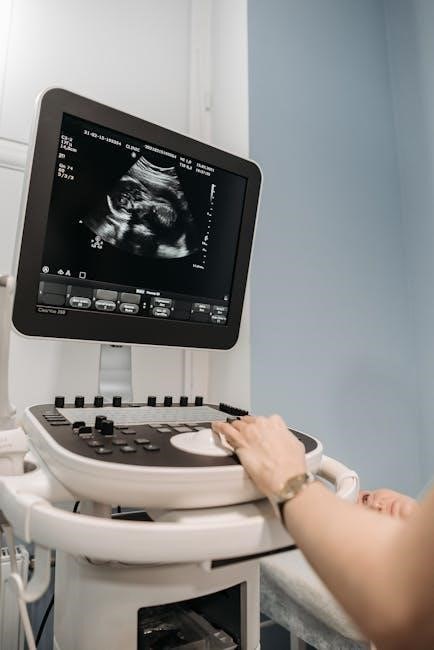
Finally, the final pathology report should be readily available and linked to the procedure note, completing the clinical picture for the payer.
ICD-10 Coding for Liver Disease
Accurate ICD-10 coding is crucial when billing for ultrasound-guided liver biopsies (CPT 65782), as it establishes the medical necessity of the procedure. Common ICD-10 codes frequently used include those for hepatitis (B15-B19), cirrhosis (K70), non-alcoholic fatty liver disease (E72.3), and liver neoplasms (C22).
Specificity is key; avoid using unspecified codes when a more precise diagnosis is available. For example, instead of K74.9 (unspecified liver disease), utilize K70.31 (alcoholic cirrhosis of liver).
When the biopsy is performed to investigate suspected drug-induced liver injury, appropriate codes from the K71 series should be employed.
Multiple ICD-10 codes may be necessary to fully capture the patient’s condition, particularly if co-morbidities exist. Ensure the primary diagnosis accurately reflects the main reason for the biopsy, and any secondary conditions are also documented to support the medical necessity.
Common Reimbursement Challenges
Billing for ultrasound-guided liver biopsies (CPT 65782) can present several reimbursement challenges. Payers often scrutinize documentation to ensure medical necessity, frequently requesting pathology reports to correlate findings with the ICD-10 diagnosis.
Incorrect coding, such as failing to append appropriate modifiers (59, 22) when multiple procedures are performed, leads to claim denials. Bundling issues also arise when ultrasound guidance (73721/73723) is billed separately; clear documentation justifying distinct services is vital.
Pre-authorization requirements vary by payer, and failure to obtain it when needed results in non-payment.
Disagreements over the complexity of the procedure, impacting reimbursement levels, are common. Thorough documentation detailing the technical difficulty and time spent performing the biopsy is essential for successful appeals.