Recognizing symptoms of a faulty manual transmission is crucial for early intervention. Common issues include grinding gears, hesitation, and unusual noises, which can indicate worn components or fluid problems.
1.1 Overview of Manual Transmission Symptoms
Manual transmissions can exhibit a variety of symptoms when malfunctioning. Common issues include difficulty shifting gears, grinding noises during gear changes, and hesitation between shifts. These problems often stem from worn synchronizers, damaged gear teeth, or low transmission fluid levels. Additionally, unusual vibrations, clunking sounds, or gears slipping out of place can indicate internal wear or component failure. Early detection of these symptoms is vital to prevent further damage and costly repairs. Addressing these issues promptly ensures smoother operation and extends the lifespan of the transmission. Regular maintenance, such as checking fluid levels and inspecting for leaks, can help identify potential problems before they escalate.
1.2 Importance of Early Detection
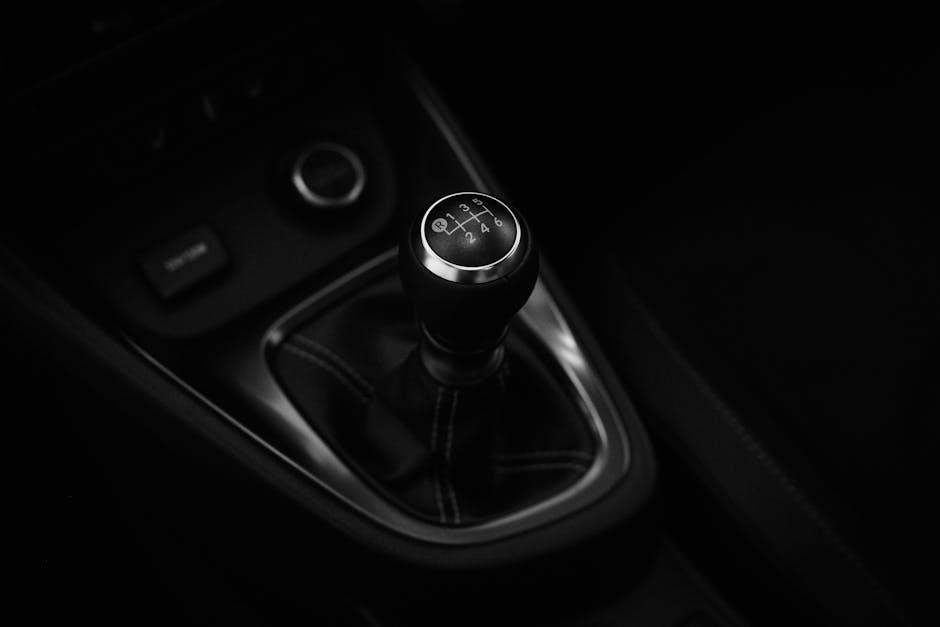
Early detection of manual transmission issues is critical to prevent minor problems from escalating into major repairs. Ignoring symptoms like grinding gears or hesitation can lead to costly damage, such as worn gears or synchronizer failure. Addressing these issues early ensures smoother operation and extends the transmission’s lifespan. Regular checks, such as monitoring fluid levels and inspecting for leaks, can help identify potential problems before they worsen. Prompt action not only saves money but also avoids unexpected breakdowns, ensuring safety and reliability on the road. By being proactive, drivers can maintain their vehicle’s performance and avoid the inconvenience of transmission failure.
1.3 Common Causes of Manual Transmission Issues
Manual transmission problems often stem from wear and tear on components like gears, bearings, and synchronizers. Low or contaminated transmission fluid is a frequent culprit, leading to poor lubrication and increased friction. Clutch issues, such as failure to disengage fully, can also cause grinding or hesitation. Over time, shift linkage wear may result in loose or sloppy gear engagement. Additionally, high mileage and lack of maintenance, such as neglecting to replace the transmission filter, can exacerbate these problems. Addressing these underlying causes early is essential to prevent further damage and ensure smooth operation.
Gear-Related Symptoms

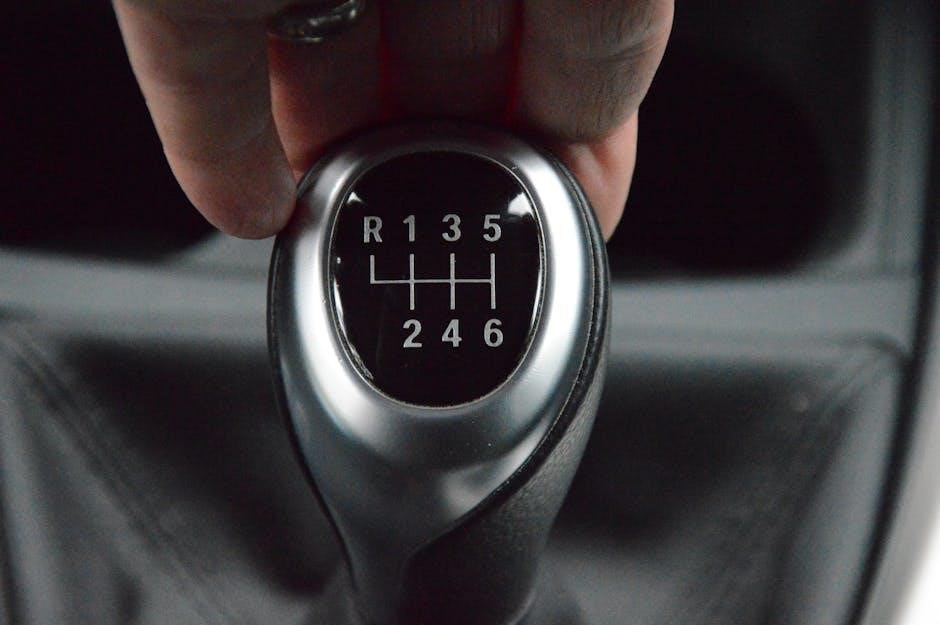
Grinding gears, difficulty shifting, and hesitation between gears are common signs of manual transmission issues. These symptoms often indicate worn synchronizers, damaged gear teeth, or clutch problems.
2.1 Difficulty Shifting Gears
Difficulty shifting gears is a common symptom of a manual transmission issue. This can manifest as trouble moving the gearshift into the desired gear or a delay in engagement. Causes may include low or contaminated transmission fluid, worn synchronizers, or clutch problems. If the transmission fluid is old or dirty, it may not lubricate the gears properly, leading to resistance. Worn synchronizers can prevent gears from meshing smoothly, causing hesitation or grinding. In some cases, a faulty clutch or clutch hydraulics may also contribute to shifting difficulties. Ignoring this issue can lead to further damage, such as gear teeth wear or complete gear failure. Professional diagnosis is recommended to identify the root cause and prevent costly repairs. Regular maintenance, like fluid changes, can often resolve or prevent this problem.
2.2 Grinding Gears
Grinding gears is a noticeable symptom of a manual transmission problem. This occurs when the gear teeth fail to mesh properly, often due to worn or damaged synchronizers, bearings, or gear teeth. The grinding sensation is typically felt when shifting into a specific gear, particularly during acceleration. Causes may include low transmission fluid levels, contaminated fluid, or excessive wear on components. Ignoring this issue can lead to further damage, such as chipped or broken gear teeth, which can result in costly repairs. Grinding gears may also indicate a clutch problem, as the clutch may not be disengaging fully. Addressing this symptom early is crucial to prevent the transmission from failing completely. Regular maintenance, such as fluid changes, can help identify and resolve issues before they escalate.
2.3 Hesitation Between Gears
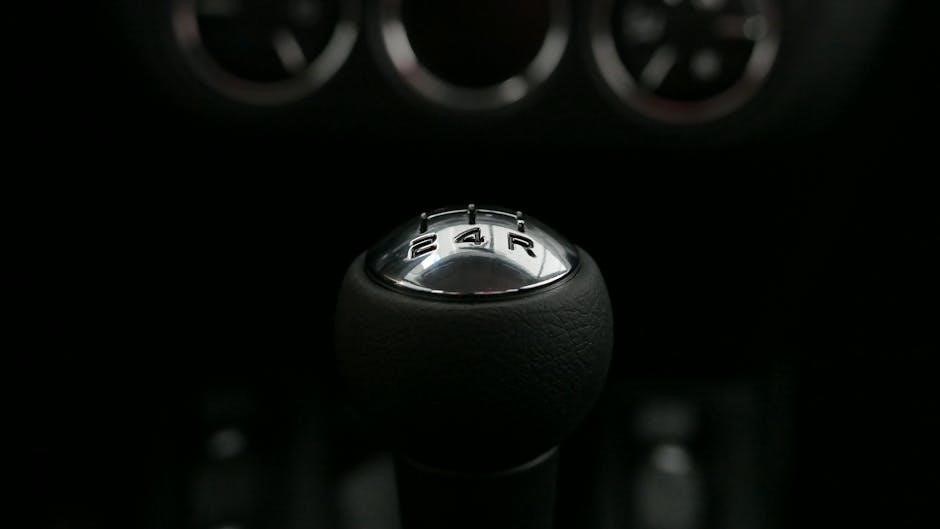
Hesitation between gears is a common symptom of a manual transmission issue. This occurs when there is a delay or resistance during shifting, often accompanied by a lack of smooth engagement. Causes may include low or contaminated transmission fluid, worn synchronizers, or issues with the clutch system. Hesitation can also be due to misaligned or damaged gear teeth, which prevent proper meshing. If left unaddressed, this can lead to more severe problems, such as grinding gears or complete gear failure. Regular fluid checks and maintenance can help identify and resolve these issues early. Addressing hesitation promptly is essential to avoid costly repairs and ensure smooth gear transitions. Early detection is key to maintaining transmission health.
2.4 Gears Slipping Out of Place
Gears slipping out of place is a concerning symptom of a manual transmission issue. This occurs when gears fail to stay engaged, causing the transmission to disengage unexpectedly. Common causes include worn or damaged synchronizers, faulty gear teeth, or issues with the shift linkage. Over time, this can lead to further damage, such as chipped or broken gears. If left unaddressed, slipping gears can result in complete gear failure, making it impossible to shift properly. Regular inspection of the transmission components and timely repairs are essential to prevent this issue from escalating. Addressing gear slippage early can save significant repair costs and ensure smooth, reliable shifting. Prompt attention is crucial to maintain transmission functionality and avoid more severe problems.
Noise-Related Symptoms
Whining, grinding, or clunking noises during operation often signal worn bearings, damaged gears, or low transmission fluid. These sounds indicate internal issues requiring professional inspection and repair.
3.1 Whining or Humming Noises
Whining or humming noises from a manual transmission often indicate worn bearings or damaged gears. These sounds typically increase with speed and may suggest low or contaminated transmission fluid. Early detection is key to prevent further damage. If ignored, these issues can lead to costly repairs. Regular fluid checks and inspections can help identify problems before they escalate. Addressing these symptoms promptly ensures smoother operation and extends the transmission’s lifespan. Professional diagnosis is recommended to pinpoint the exact cause and apply the appropriate fix. Ignoring such noises can result in more severe complications, such as gear failure or complete transmission breakdown. Timely intervention is essential for maintaining optimal performance.
3.2 Clunking or Knocking Sounds
Clunking or knocking sounds in a manual transmission often indicate issues with internal components. These noises may occur during shifting or acceleration, suggesting problems like worn synchronizers, damaged gear teeth, or failing bearings. Additionally, loose or worn-out transmission mounts can cause clunking sounds as the engine and transmission move out of alignment. Ignoring these symptoms can lead to more severe damage, such as gear failure or internal component breakdown. Early diagnosis is crucial to prevent costly repairs. If clunking persists, it’s important to inspect the transmission and mounts for wear or damage. Addressing these issues promptly can help maintain the transmission’s functionality and overall vehicle performance. Professional inspection is recommended to identify the root cause and apply the necessary fixes.
3.3 Grinding Noises During Shifting
Grinding noises during shifting are a clear indicator of manual transmission problems. This sound typically occurs when gears fail to engage smoothly, often due to worn-out synchronizers or damaged gear teeth. If the clutch isn’t fully disengaging, it can cause gears to grind as they attempt to mesh improperly. Additionally, low or contaminated transmission fluid can exacerbate the issue by failing to provide adequate lubrication. Ignoring grinding noises can lead to further damage, such as chipped or broken gears, which are costly to repair. It’s essential to address this symptom promptly by inspecting the transmission components and fluid levels. Professional diagnosis is recommended to determine the exact cause and prevent further deterioration of the transmission system. Early intervention can help extend the lifespan of the manual transmission.
3.4 Unusual Vibrations
Unusual vibrations during operation can signal issues with the manual transmission. These vibrations may occur when accelerating, decelerating, or shifting gears. Common causes include misaligned or worn-out drivetrain components, such as the driveshaft or CV joints, or imbalanced tires. Internal transmission damage, like worn bearings or gears, can also produce vibrations. If left unaddressed, these vibrations can lead to further damage, affecting the transmission’s performance and longevity. It’s important to inspect the transmission, drivetrain, and related components to identify the source of the vibration. Professional diagnosis is recommended to ensure proper repair and prevent additional complications. Addressing this issue early can help maintain the transmission’s health and overall vehicle stability. Vibrations are a clear sign that something is amiss and requires immediate attention.

Physical Sensations
Physical sensations like jerking, jolting, or resistance on the clutch pedal indicate manual transmission issues; A spongy clutch feel or loose shifter can signal worn components or internal damage.
4.1 Jerking or Jolting Movements
Jerking or jolting movements while driving can indicate issues with the manual transmission. These sensations often occur during acceleration or deceleration and may be caused by worn synchronizers, damaged gear teeth, or a faulty clutch. When gears do not engage smoothly, the vehicle can lurch forward or feel unstable. This problem may also stem from improper clutch engagement or adjustment. Over time, if left unaddressed, jerking movements can lead to more severe damage, such as gear failure or transmission lock-up. Early diagnosis is crucial to prevent costly repairs and ensure safe operation of the vehicle.
4.2 Resistance on the Clutch Pedal
Resistance on the clutch pedal can signal issues with the manual transmission or clutch system. If the pedal feels stiff or hard to press, it may indicate a problem with the clutch master or slave cylinder, or the hydraulic system. Air in the hydraulic lines or worn-out components can cause this resistance, making it difficult to shift gears smoothly. In some cases, a seized or damaged clutch fork can also contribute to this issue. Ignoring this symptom can lead to further damage, such as a complete clutch failure or transmission problems. Addressing resistance early ensures proper gear engagement and prevents more costly repairs down the line.
4.3 Spongy or Soft Clutch Feel
A spongy or soft clutch feel is a common symptom of manual transmission issues. This occurs when the clutch pedal feels soft or lacks resistance, making it difficult to engage gears properly. The cause is often related to the hydraulic system, such as air in the lines or a failing clutch master or slave cylinder. In some cases, low transmission fluid levels or worn clutch components can also contribute to this issue. A spongy clutch can lead to inconsistent gear engagement, making shifting feel unpredictable. If left unaddressed, it may result in complete clutch failure, requiring costly repairs. Regular maintenance, such as bleeding the hydraulic system, can help prevent this problem and ensure smooth clutch operation.
4.4 Shifter Looseness or Play
Shifter looseness or play is a noticeable symptom of a manual transmission issue; It occurs when the gear shifter moves excessively, making it difficult to engage gears precisely. This is often due to worn or damaged components in the shift linkage, such as the shifter bushings or pivot ball. Over time, these parts can degrade, causing the shifter to feel sloppy or vague. In some cases, loose mounting bolts or misaligned components can also contribute to the problem. Excessive play can lead to gears not engaging fully, resulting in hesitation or grinding. While some play is normal, significant movement should be addressed promptly to prevent further damage. Replacing worn parts or tightening connections can often resolve the issue, ensuring smoother and more precise shifting.
Less Common Symptoms
Less common symptoms include transmission fluid leaks, burning smells, unusual noises at idle, and gear engagement failure. These issues often indicate internal damage or fluid-related problems.
5.1 Transmission Fluid Leaks
Transmission fluid leaks are a less common but serious symptom of a failing manual transmission. These leaks often occur due to worn seals, gaskets, or damage to the transmission pan. Over time, low fluid levels can lead to contaminated fluid, which may cause gears to grind or slip. If left unaddressed, leaks can result in premature wear on internal components like bearings and synchronizers. Regularly checking the transmission pan and surrounding areas for signs of moisture or stains is essential. Addressing leaks promptly can prevent further damage and costly repairs. A transmission pan service, including fluid replacement and filter inspection, is often recommended to maintain optimal performance and prevent leaks from worsening.
5.2 Burning Smell from the Transmission
A burning smell from the transmission is a concerning symptom that often indicates overheating or excessive friction within the system. This can occur due to worn clutch components, damaged bearings, or insufficient transmission fluid levels. Overheating transmission fluid can degrade its lubricating properties, leading to further damage. If ignored, this issue can result in costly repairs, such as replacing internal components or even the entire transmission. It’s crucial to address this symptom promptly by stopping the vehicle and allowing the transmission to cool. Checking the transmission fluid level and condition is a good first step, as low or contaminated fluid may be the root cause. Professional inspection is recommended to identify and resolve the underlying issue before it escalates.
5.3 Unexplained Noises at Idle
Unexplained noises at idle, such as whining, humming, or clunking, can signal issues within the manual transmission. These sounds often point to worn bearings, damaged gears, or low transmission fluid levels. A whining noise may indicate worn bearings, while clunking could suggest damaged synchronizers or gear teeth. Humming sounds might be linked to faulty gear engagement or improper alignment. Ignoring these noises can lead to more severe damage over time. It’s important to have the transmission inspected promptly, as early diagnosis can prevent costly repairs. Checking the transmission fluid level and condition is a good starting point, but professional evaluation is often necessary to identify the root cause and address it effectively.
5.4 Gear Engagement Failure
Gear engagement failure is a critical symptom of a failing manual transmission. It occurs when gears refuse to engage or slip out unexpectedly, making it difficult to maintain control of the vehicle. This issue can manifest as gears failing to catch when shifting or a noticeable delay in engagement. Common causes include worn synchronizers, damaged gear teeth, or insufficient transmission fluid pressure. If left unaddressed, gear engagement failure can lead to complete transmission lock-up or irreversible damage. Drivers may also experience grinding or clunking sounds during attempted shifts. Immediate professional inspection is essential to diagnose the root cause and prevent further deterioration of the transmission system.
Advanced Issues
Advanced manual transmission issues include complete gear engagement loss, transmission lock-up, and sudden acceleration or deceleration. These severe symptoms often indicate critical internal damage requiring immediate professional attention.
6.1 Complete Loss of Gear Engagement
A complete loss of gear engagement is a severe symptom where the transmission fails to connect with any gear, leaving the vehicle inoperable. This issue often stems from extreme wear on synchronizers, damaged gear teeth, or a malfunctioning clutch. If the clutch isn’t disengaging properly or the transmission’s internal components are critically damaged, gears cannot engage. This condition requires immediate attention, as driving becomes impossible. Ignoring this symptom can lead to further damage, making repairs more costly and complex. Professional diagnosis is essential to identify the root cause and determine the appropriate repair or replacement of faulty components.
6.2 Transmission Lock-Up
Transmission lock-up occurs when the gears seize or freeze, preventing any movement or gear shifting. This is often caused by severe internal damage, such as shattered gear teeth or a failed bearing, which halts the transmission’s ability to function. In some cases, it may be triggered by low or contaminated transmission fluid, which disrupts lubrication and cooling. If the transmission locks up while driving, it can cause the vehicle to stall or even skid, posing a significant safety risk. Immediate professional intervention is required to diagnose and repair or replace the damaged components. Ignoring this issue can lead to catastrophic failure, resulting in costly repairs or even requiring a full transmission replacement.
6.3 Sudden Acceleration or Deceleration
Sudden acceleration or deceleration is a critical symptom of a failing manual transmission. This can occur when internal components like gears or bearings fail, causing unpredictable shifts in speed. For instance, a damaged gear tooth may catch intermittently, leading to unexpected surges in acceleration. Similarly, a malfunctioning clutch or synchronizer can cause the vehicle to decelerate abruptly, even when the accelerator is pressed. Such behavior is highly dangerous, as it can result in loss of control, especially at high speeds. Immediate professional diagnosis is essential to identify the root cause, whether it’s a mechanical failure or a control system issue. Ignoring this symptom can lead to further damage or safety hazards.
6.4 Transmission Control Module Failure
Transmission Control Module (TCM) failure is a severe issue affecting manual transmissions. The TCM regulates gear shifts, and its malfunction can cause erratic behavior. Symptoms include delayed or harsh shifting, inability to engage gears, and illuminated dashboard warning lights. In some cases, the transmission may enter “limp mode,” restricting gear selection to protect internal components. Faulty sensors or wiring can trigger these issues, while software glitches may require updates or reprogramming. Ignoring TCM failure can lead to complete transmission lock-up, necessitating costly repairs. Professional diagnosis with specialized tools is often required to identify and address the problem effectively. Timely intervention is crucial to prevent further damage and ensure safe vehicle operation.
Recognizing symptoms early is key to preventing major repairs. Professional diagnosis ensures accurate identification and timely maintenance, safeguarding your manual transmission’s longevity and performance.
7.1 Summary of Key Symptoms
Key symptoms of a failing manual transmission include grinding gears, hesitation between shifts, and unusual noises like whining or clunking. These issues often stem from worn components, low or contaminated fluid, or clutch problems. Difficulty shifting, jerking movements, and a spongy clutch pedal are also common indicators. Addressing these signs early can prevent major damage and costly repairs. Regular maintenance, such as checking fluid levels and inspecting for leaks, is essential for extending the transmission’s lifespan. Ignoring these symptoms can lead to complete gear engagement failure or transmission lock-up, which may require extensive repairs or even replacement.
7.2 Importance of Professional Diagnosis
Professional diagnosis is critical for accurately identifying manual transmission issues. While symptoms like grinding or hesitation can indicate problems, a skilled mechanic can pinpoint the root cause using specialized tools and knowledge. DIY repairs, though tempting, often lead to further damage or incomplete fixes. Transmission systems are complex, and improper adjustments or part replacements can worsen the issue. A professional can assess fluid condition, check for internal wear, and identify faulty components like synchronizers or bearings. Early diagnosis prevents minor issues from escalating into major repairs, saving time and money. Delaying professional help risks costly overhauls or even requiring a full transmission replacement.
7;3 Preventative Maintenance Tips
Regular maintenance is key to preventing manual transmission issues. Check transmission fluid levels and condition regularly, as low or contaminated fluid can lead to premature wear. Replace the fluid and filter as recommended by the manufacturer. Avoid aggressive driving habits, such as rapid shifting or riding the clutch, which can strain components. Inspect the clutch and gear linkage for wear or looseness and address any issues promptly. Keep the transmission cool by ensuring proper airflow and avoiding excessive towing or hauling. Finally, stay alert to early symptoms and address them before they escalate. These steps can extend the life of your manual transmission and prevent costly repairs.