Welcome to the Anatomy & Physiology Laboratory Manual‚ designed to provide hands-on experience in exploring the human body’s structures and functions. This manual serves as a comprehensive guide‚ offering practical exercises and dissection techniques to enhance your understanding of key biological systems. Through interactive labs and detailed instructions‚ you’ll gain essential skills in scientific observation‚ data collection‚ and critical thinking. Perfect for students and educators‚ this resource bridges theory with practice‚ making complex concepts accessible and engaging.
1.1 Overview of Anatomy and Physiology
Anatomy and physiology are foundational sciences that explore the structure and function of the human body. Anatomy focuses on the study of body structures‚ from microscopic cells to entire organ systems‚ while physiology examines how these structures function‚ both in health and disease. Together‚ they provide a comprehensive understanding of how the body operates‚ enabling insights into normal processes and deviations due to injury or illness. This foundation is crucial for fields like medicine‚ nursing‚ and biomedical sciences. In the context of a laboratory manual‚ anatomy and physiology are applied through hands-on exercises‚ such as dissections‚ observations‚ and experiments‚ to reinforce theoretical knowledge. By integrating both disciplines‚ students gain a holistic view of the human body‚ preparing them for advanced studies and practical applications in healthcare and research.
1.2 Importance of Laboratory Work in A&P
Laboratory work is a cornerstone of anatomy and physiology education‚ offering students a hands-on approach to learning. Labs provide a dynamic environment where theoretical concepts are transformed into practical experiences‚ enhancing understanding and retention. Through dissections‚ microscopy‚ and physiological experiments‚ students develop critical skills in observation‚ data collection‚ and analysis. These activities also foster teamwork and problem-solving‚ essential for future careers in healthcare and scientific research. Moreover‚ lab work bridges the gap between textbook knowledge and real-world applications‚ allowing students to visualize and interact with anatomical structures and physiological processes; This experiential learning not only deepens comprehension but also builds confidence‚ preparing students to apply their knowledge effectively in clinical and professional settings.
1.3 Essential Equipment and Tools for the Lab
The anatomy and physiology laboratory is equipped with tools designed to enhance hands-on learning and exploration. Essential equipment includes dissecting microscopes for examining microscopic structures‚ scalpels‚ forceps‚ and probes for dissection activities. Anatomical models and charts are invaluable for visualizing complex systems and structures. Additionally‚ physiology equipment such as EKG machines‚ spirometers‚ and blood pressure monitors allows students to measure and analyze bodily functions. Digital tools like virtual dissection software and interactive simulations complement traditional lab work‚ offering customizable learning experiences. Safety gear‚ including gloves and goggles‚ is also crucial to ensure a secure environment during experiments. These tools collectively provide students with a comprehensive understanding of human anatomy and physiology‚ bridging theoretical knowledge with practical application.
Laboratory Exercises and Activities
Laboratory exercises in anatomy and physiology involve hands-on experiments‚ dissections‚ and data collection to explore human systems. Activities include muscle physiology‚ nerve stimulation‚ and respiratory function analysis‚ enhancing practical understanding.
2.1 Skeletal and Muscular System Exercises
Laboratory exercises for the skeletal and muscular systems focus on identifying bones‚ joints‚ and muscles through palpation and dissection. Students learn to locate anatomical landmarks‚ such as the clavicle or patella‚ and analyze joint movements. Activities include examining bone structure under magnification‚ identifying muscle origins and insertions‚ and observing muscle contractions using electrical stimulation. Practical tasks often involve labeling skeletal models and comparing human bones with those of other animals. These exercises enhance understanding of how bones and muscles work together to enable movement and support the body. Safety protocols‚ such as proper handling of specimens and equipment‚ are emphasized to ensure a productive and safe learning environment. These hands-on activities provide a foundational understanding of the skeletal and muscular systems‚ preparing students for more complex studies in anatomy and physiology.
2.2 Cardiovascular and Respiratory System Exercises
Laboratory exercises for the cardiovascular and respiratory systems are designed to explore the structures and functions of the heart‚ blood vessels‚ lungs‚ and airways. Activities include dissecting a sheep heart to identify chambers‚ valves‚ and blood vessels‚ as well as examining lung tissue to observe alveoli and bronchioles. Students also participate in simulations to study blood pressure regulation and gas exchange processes. Practical tasks often involve measuring vital capacities using spirometry and analyzing blood samples to understand their composition. These exercises provide a comprehensive understanding of how the cardiovascular and respiratory systems work together to maintain homeostasis and support life. By engaging in hands-on activities‚ students gain practical skills and a deeper appreciation for the intricacies of these vital systems. Safety and proper use of equipment are emphasized throughout these exercises.
2.3 Nervous and Digestive System Exercises

Laboratory exercises for the nervous and digestive systems focus on understanding their complex functions and structures. Activities include studying the brain and spinal cord to identify key regions and their roles in controlling body functions. Students also explore the digestive system by examining the anatomy of organs such as the stomach‚ small intestine‚ and liver. Practical tasks involve simulating neural impulses and observing how nutrients are absorbed in the digestive tract. Additionally‚ students learn to identify nerve tissues under a microscope and analyze the histology of digestive organs. These exercises provide hands-on experience with the intricate processes of the nervous and digestive systems‚ enhancing comprehension of how they maintain homeostasis and overall health. Safety and proper handling of specimens are emphasized throughout these engaging and informative laboratory sessions.

Preparing for Laboratory Sessions
Effective preparation for lab sessions involves reviewing notes‚ gathering necessary materials‚ and understanding safety protocols; Familiarize yourself with procedures‚ dress appropriately‚ and stay organized to ensure a productive and safe learning experience.
3.1 Tips for Effective Lab Preparation
Preparing for anatomy and physiology lab sessions requires a structured approach to maximize learning. Always review your lecture notes and textbook chapters beforehand to understand key concepts. Organize your lab tools‚ such as dissecting scopes‚ gloves‚ and scalpel sets‚ to ensure you have everything needed. Dress appropriately‚ wearing lab coats and closed-toe shoes for safety. Familiarize yourself with the lab manual to anticipate procedures and expected outcomes. Arrive early to set up your workstation and review safety guidelines. Actively participate in discussions and ask questions to clarify doubts. Stay focused during demonstrations and practice techniques carefully. Taking detailed notes and labeling diagrams will enhance retention. Finally‚ mentally prepare to handle specimens and tissues with respect and professionalism. Adequate preparation ensures a productive and engaging lab experience.
3.2 Lab Safety Protocols and Guidelines
Adhering to lab safety protocols is crucial in anatomy and physiology laboratories to prevent accidents and ensure a safe learning environment. Always wear appropriate personal protective equipment (PPE)‚ such as lab coats‚ gloves‚ and goggles‚ when handling biological specimens or chemicals. Familiarize yourself with the location of emergency equipment‚ including fire extinguishers‚ eye wash stations‚ and first aid kits. Handle sharp instruments like scalpels and needles with care‚ and dispose of them properly in designated containers. Avoid ingesting or touching potentially hazardous substances‚ and wash hands thoroughly before leaving the lab. Follow proper techniques for handling preserved specimens to minimize exposure to chemicals such as formaldehyde. Report any spills or accidents immediately to the instructor and assist in cleanup if trained. Maintain a clean and organized workspace to reduce tripping hazards. By following these guidelines‚ students and instructors can create a safe and efficient laboratory setting.
Dissection Guides and Techniques
Mastering dissection requires precision and care to explore human anatomy effectively. Essential techniques include proper tool handling‚ precise incisions‚ and thorough specimen preparation. Always maintain organization and respect for specimens during procedures.
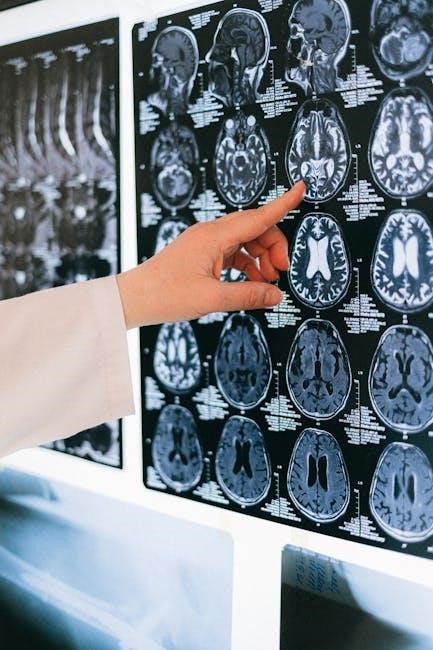
Dissection is a fundamental skill in anatomy and physiology‚ enabling hands-on exploration of structures and their relationships. Proper technique ensures safety‚ accuracy‚ and respect for specimens. Essential tools include scalpels‚ forceps‚ and dissecting mats.
- Begin with proper preparation‚ such as donning gloves and goggles for safety.
- Make precise‚ controlled incisions to avoid damaging surrounding tissues.
- Use magnification tools to examine intricate structures.
- Maintain a clean and organized workspace throughout the process.
Understanding basic dissection principles builds a strong foundation for advanced techniques and enhances learning outcomes in anatomy and physiology.
4.2 Dissection of the Heart and Brain
Dissecting the heart and brain provides a detailed understanding of their complex structures. These organs are crucial for survival‚ and their dissection requires precision and care. Start with the heart by removing surrounding tissues and rinsing it with saline solution. Make a longitudinal cut through the ventricles to expose the chambers and valves. Observe the septum‚ papillary muscles‚ and chordae tendineae‚ noting their roles in blood circulation.
For the brain‚ begin by removing the dura mater and cerebrospinal fluid. Make a midline cut to separate the cerebrum into hemispheres. Identify key regions like the cerebellum‚ brainstem‚ and ventricles. Use magnification to examine neural tissue and cranial nerves. Handle these delicate structures gently to preserve their integrity.
- Use dissecting tools precisely to avoid damaging vital structures.
- Collaborate with lab partners to compare observations and enhance learning.
- Document findings through sketches and notes for future reference.
Dissecting the heart and brain offers invaluable insights into their functions and interconnectedness‚ enriching the study of anatomy and physiology.
4.3 Advanced Dissection Techniques for Complex Specimens
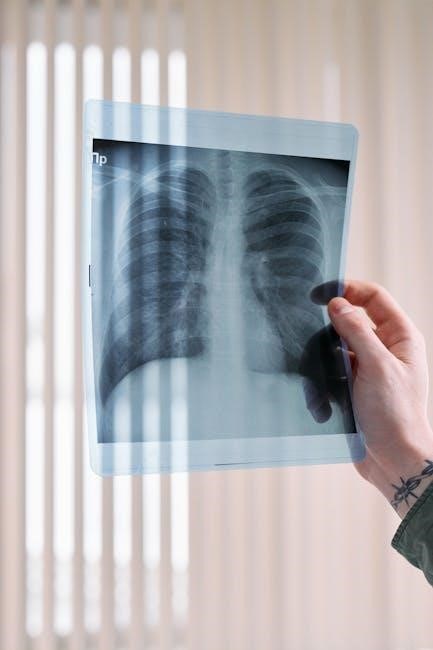
Advanced dissection techniques are essential when working with complex specimens‚ such as multi-layered tissues or organs with intricate structures. These methods require precision‚ patience‚ and a deep understanding of anatomical relationships. For challenging specimens‚ start by carefully exposing the outer layers to avoid damaging underlying tissues. Use magnification tools‚ such as dissecting microscopes‚ to visualize small structures and make precise cuts.
Specialized instruments‚ like scalpel handles with interchangeable blades and fine forceps‚ are often necessary for delicate dissections. Practice techniques like layer-by-layer dissection‚ where each tissue plane is carefully separated to reveal deeper structures. For specimens with unusual shapes or densities‚ consider using fixation or stabilization methods to maintain integrity during the process.
- Use magnification to identify subtle anatomical details.
- Employ precise cutting techniques to avoid tissue damage.
- Document complex dissections with detailed sketches or photographs.
Mastering advanced dissection techniques enhances observational and analytical skills‚ preparing students for more complex anatomical studies.

Supplementary Resources for Learning
Explore additional learning tools like online platforms‚ interactive simulations‚ and study guides to enhance your understanding of anatomy and physiology concepts beyond the lab manual.
- Utilize digital anatomy software for 3D visualizations.
- Access online forums and educational videos for clarification.
- Review supplementary textbooks for in-depth explanations.
These resources provide comprehensive support for mastering complex topics.
5.1 Recommended Textbooks and Online Resources
To deepen your understanding of anatomy and physiology‚ several textbooks and online resources are highly recommended. Textbooks such as Gray’s Anatomy and Human Anatomy & Physiology by Elaine N. Marieb provide detailed explanations and visuals.
Online platforms like Kenhub‚ AnatomyTOOL‚ and Visible Body offer interactive 3D models and practice quizzes. Additionally‚ websites such as Quizlet and Khan Academy feature study aids and video tutorials.
- Gray’s Anatomy: A classic reference for anatomical details.
- Human Anatomy & Physiology: Comprehensive coverage of A&P concepts.
- Kenhub: Interactive muscle and bone atlases.
- Visible Body: 3D human anatomy models.
These resources complement the lab manual‚ offering diverse learning opportunities for visual and kinesthetic learners.
5.2 Utilizing Digital Tools for A&P Learning
Digital tools have revolutionized anatomy and physiology learning‚ offering interactive and immersive experiences. Apps like Visible Body and Complete Anatomy provide 3D models of the human body‚ allowing students to explore structures in detail. These tools often include features like label identification‚ rotational views‚ and cross-sectional imaging.
Online platforms such as PhET Interactive Simulations and Labster offer virtual lab simulations‚ enabling students to conduct experiments and observe physiological processes. Additionally‚ digital flashcards and quizzes on apps like Anki and Quizlet help reinforce key concepts. Virtual dissection software‚ such as those from McGraw-Hill or Pearson‚ simulate real-life lab experiences for remote learning.
- Visible Body: 3D human anatomy models for detailed exploration.
- Labster: Virtual lab simulations for hands-on practice.
- PhET Simulations: Interactive models of physiological processes.
These tools enhance engagement‚ improve retention‚ and provide flexible learning opportunities for A&P students.
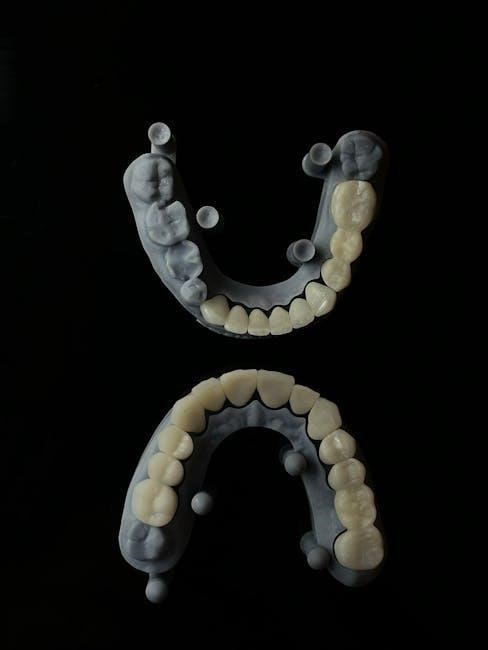
5.3 Study Tips and Best Practices for A&P Students
Mastering anatomy and physiology requires a structured and consistent study approach. Start by setting clear goals and breaking study material into manageable sections. Active learning techniques‚ such as self-quizzing or teaching concepts to peers‚ enhance retention. Create detailed study guides by summarizing notes in your own words‚ focusing on key terms and processes.
Use visual aids like mind maps or concept diagrams to visualize complex relationships between structures. Regularly review material‚ using spaced repetition to avoid cramming. Apply concepts to real-world scenarios‚ such as clinical case studies or personal health‚ to deepen understanding.
- Set specific study goals for each session to maintain focus.
- Engage in active learning through discussions or self-testing.
- Organize notes systematically for easy review.
- Join study groups to collaborate and reinforce learning.
By staying consistent‚ utilizing visual tools‚ and applying practical examples‚ students can achieve success in anatomy and physiology.
The anatomy and physiology laboratory manual serves as an essential guide for hands-on learning‚ fostering observation‚ experimentation‚ and application of concepts. By mastering these skills‚ students gain a deeper understanding of the human body‚ bridging theory with practical knowledge to enhance their academic and professional journeys.
6.1 Summarizing the Importance of the Lab Manual
The anatomy and physiology laboratory manual is a cornerstone resource for students‚ providing structured‚ hands-on experiences that bridge theoretical knowledge with practical application. It enables learners to engage directly with specimens‚ models‚ and equipment‚ fostering a deeper understanding of complex anatomical structures and physiological processes. Through carefully designed exercises‚ the manual reinforces textbook concepts‚ helping students visualize and interact with the human body in a controlled environment. Additionally‚ it encourages critical thinking‚ observation‚ and scientific inquiry‚ essential skills for future healthcare professionals. The lab manual also caters to diverse learning styles by incorporating visual‚ tactile‚ and kinesthetic activities. By following the manual’s guidelines‚ students can develop a strong foundation in A&P‚ enhance their problem-solving abilities‚ and prepare effectively for real-world challenges in medicine and allied health fields. Its structured approach ensures a comprehensive and enriching learning experience.